Members
Janice Perkins (Chair)
Contact CPEAG
[email protected]
Meet our Community Pharmacy Expert Advisory Group
Janice Perkins (Chair)
Waqas Ahmad
Gary Evans
Jonathan James
Paul Jenks
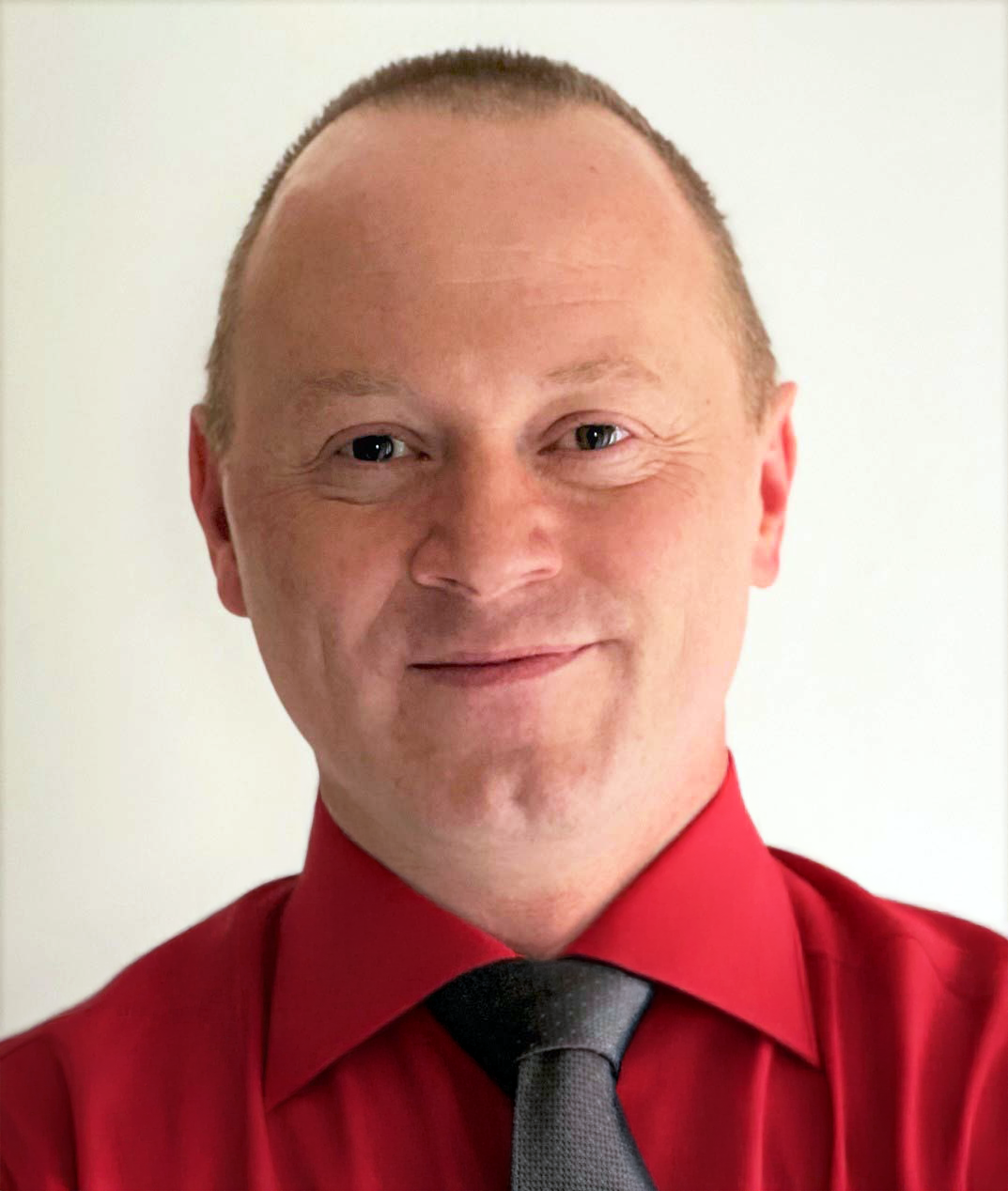 Paul qualified as a pharmacist in 1997 and spent the first years of his career developing his skills as a pharmacist manager on the Lincolnshire Coast. He then progressed to undertake several different pharmacy field roles, but retains a passion is for developing others and now works as a learning and development manager at Boots Support Office, developing and designing learning interventions related to pharmacy practice and service delivery. He is also committed to maintaining his patient-facing skills and so in addition to this role continues to practice regularly as a patient-facing community pharmacist.
Paul qualified as a pharmacist in 1997 and spent the first years of his career developing his skills as a pharmacist manager on the Lincolnshire Coast. He then progressed to undertake several different pharmacy field roles, but retains a passion is for developing others and now works as a learning and development manager at Boots Support Office, developing and designing learning interventions related to pharmacy practice and service delivery. He is also committed to maintaining his patient-facing skills and so in addition to this role continues to practice regularly as a patient-facing community pharmacist.
He is a local tutor for CPPE, supporting the Yorkshire and Humberside region to deliver online and in-person training events, and as is a CPPE coach, and CPPE Programme Manager.
He joined Lincolnshire LPC (now Community Pharmacy Lincolnshire) in 2007, being elected as chair in 2010 (a position he still holds). He continues to raise the profile of community pharmacy, sitting on several boards and groups, including the area prescribing committee, the ICB Care and Clinical Directorate Strategic Board, and he is vice-chair of the ICB Primary Care Advisory Group. He is also a member of the East Midlands Clinical Senate Council, and chairs the national Pharmacy Competency Group (which looks after the Declaration of Competence).
In 2015 he completed his Masters in Community Pharmacy Public Health Services, and subsequently became one of the course leads for the Cancer module of this programme. In 2018 he completed the NHS Mary Seacole Programme for Community Pharmacy Leadership Paul qualified as a pharmacist in 1997 and spent the first years of his career developing his skills as a pharmacist manager on the Lincolnshire Coast. He then progressed to undertake several different pharmacy field roles, but retains a passion is for developing others and now works as a learning and development manager at Boots Support Office, developing and designing learning interventions related to pharmacy practice and service delivery.
He is also committed to maintaining his patient-facing skills and so in addition to this role continues to practice regularly as a patient-facing community pharmacist.
Anna Matthews
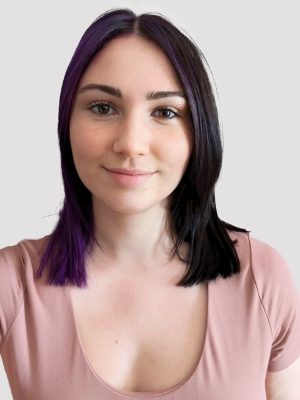 I have been involved in community pharmacy since I was sixteen, working as a Healthcare Assistant in my local pharmacy before attending the University of Bath from 2012 to 2016, and qualifying as a pharmacist in 2017. From then up until 2023, I worked as a Pharmacy Manager originally for Well in Cardiff, and later for Sheppards Pharmacy in the Rhondda; and in January 2023 I was approached with an offer to enter business with a group of successful pharmacists. In September 2023, we purchased a community pharmacy in Maesteg, situated in the Cwm Taf Morgannwg University Health board in South Wales, where I became Community Pharmacy Contractor, Superintendent Pharmacist and Independent Prescriber at the newly named Nanty Pharmacy.
In April 2024 I adopted the role of Community Pharmacy Cluster Lead for Bridgend North, and in October 2024 Nanty Pharmacy won two Welsh Pharmacy Awards: Innovation in Service Delivery and Independent Community Pharmacy of the Year.
I feel strongly about providing quality clinical services within community pharmacy, and am passionate about finding ways to streamline workflow, represent our profession, address the challenges that we face and improve service by working collaboratively with other healthcare professionals.
I am an advocate for improving access to Mental Health resources and services in the community, and have created some posters for use across Wales detailing what services are available in different areas.
In my spare time, I create leaflets on various health conditions to share with the public and other healthcare professionals.
Fiona McElrea
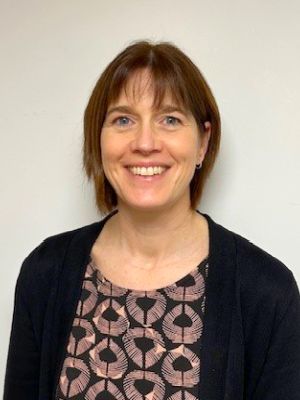 I have been a pharmacist for nearly 27 years and have spent most of my career working in the community sector. My early years were spent working for a large multiple before travelling and working in hospital pharmacies in Australia.
For the last sixteen years I have been owner and Superintendent Pharmacist of a busy remote and rural pharmacy in Dumfries and Galloway, which I own and run alongside my husband.
I completed my Independent Prescribing qualification in 2020 and currently provide the Pharmacy First Plus Service, working very closely with our local GP practice and other HCPs.
We have two teenage daughters and one dog and I enjoy spending my free time outside running, cycling, swimming and generally trying to keep fit.
I am very much looking forward to being part of the CPEAG and promoting and improving the fantastic work that community pharmacy teams provide.
Amul Mistry
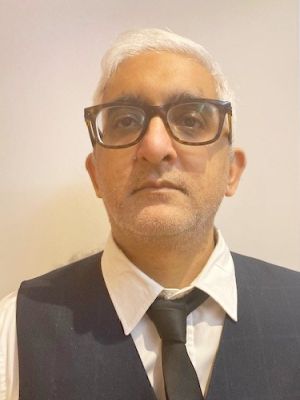 With over 25 years experience in the community pharmacy sector, I have developed and gained a varied amount of experience and knowledge. As a highly skilled and dedicated pharmacy manager committed to ensuring the delivery of high-quality patient centred care, through engagement and delivery of a variety of services with my team with great success.
I have held various senior leadership and project management roles in my career, and that has helped me develop a strong passion for community pharmacy and its future in primary care. I have a passion for leading teams and piers to provide exceptional customer service and effective healthcare solutions and services, providing them with tools and working practises to help them take a more strategic view of their business.
As pharmacy evolves in primary care I want to spearhead the importance of GP relationships, as I am committed to fostering a positive working relationship the encourages collaboration, trusting the highest standard of care, hopefully inspiring such relationships and the benefits it brings to pharmacy will inspire others to engage with their GP practices and I truly speak from the success this has bought to my community pharmacy and GP practice
Sarah Passmore
Diane Robertson
Shilpa Shah
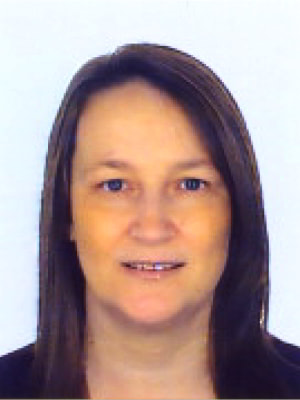
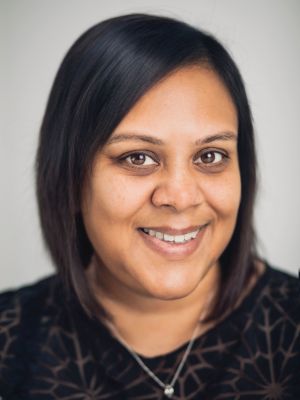 Shilpa Shah CEO Community Pharmacy North East London is an experienced award winning leader in the Community Pharmacy sector. She is a pharmacist and Royal Pharmaceutical Society fellow, who has worked in the Community Pharmacy Field for almost 25 years.
She is an Advisory Board member on the Inclusive Pharmacy Practice Advisory Board, chaired by David Webb CPhO, NHSEngland as well as a UK Pharmacy Professional Leadership Advisory Board Member.
Shilpa also holds many senior voluntary positions at several charities, she is a volunteer Director of Branch Operations for Samaritans as well as a listening volunteer in her local branch, a volunteer at Pharmacist Support and a volunteer Healthcare Deputy Manager at Crisis at Christmas.
Jonathan Smith
Dina Thakker
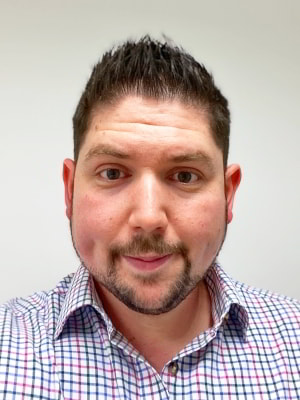
 During my tenure as a pharmacist, I have utilised my registration in various environments, including Community Pharmacy (CP), hospitals, and working closely with GP practices and PCNs. My expertise spans operational perspectives, service procurement, and supporting the NHS's strategic aims to deliver high-quality care through community pharmacy.
As SWL Head of Medicines Optimisation and previously Community Pharmacy Clinical Lead, I have delivered on the vision required within the ICS footprint, focusing on GP and pharmacy contractual frameworks. My experience includes enhancing nationally commissioned services such as Pharmacy First, hypertension case finding and the implementation and delivery of IP pathfinder.
Within the ICB, we have developed and implemented services such as 'Winter Fit MECC intervention (Winner of C&D awards 2024 – Health Initiative of the Year),' procured funding for digital inclusion services broadening access to the NHS app and aligned funding for MMR vaccine hesitancy services. With a focus on digital, I lead to streamline digital solutions to support service integration.
As a system leader, I focus on enhancing healthcare through primary care transformation and community pharmacy integration, through areas such as INT’s. I am looking forward to the outputs from the 10- year plan to help change the NHS and have community pharmacy as a true partner for delivery.
Nick Thayer

Patricia Tigenoah-Ojo