Rachel Berry - The Use of Science in Antimicrobial Pharmacy Practice
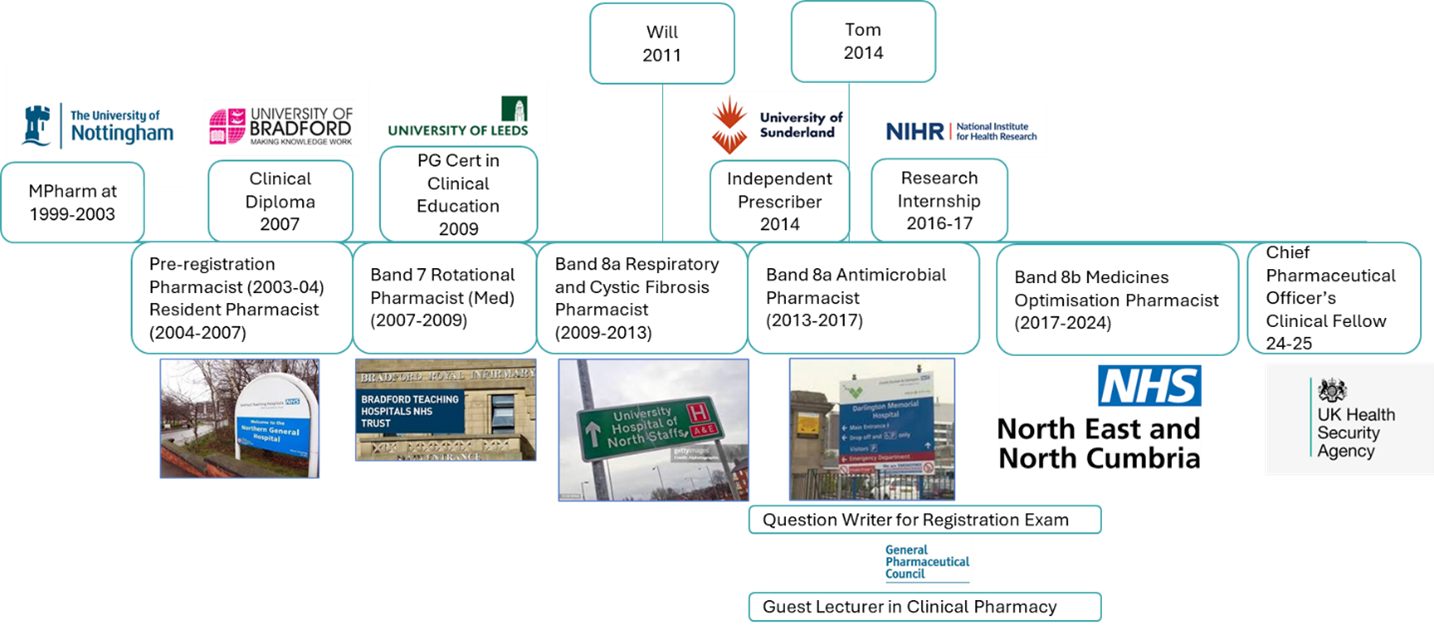
Rachel began her presentation by providing an overview of her career, which has involved many roles in clinical settings, local trusts, and now in a national agency role. She reflected that she has used science throughout all her roles, but has leaned on different areas of scientific knowledge and understanding as she’s moved into different roles. For example, when reviewing patients and in operational areas of pharmacy, such as the aseptic unit, it was essential to understand how a drug gets in and out of a human body and the impact it has when it is there. This understanding ensures that patients get the correct drug in the correct way without experiencing any preventable side effects.
Rachel focused her presentation on how science has influenced her antimicrobial stewardship practice at a patient-level vs. a national-level.
Patient facing
When working with patients, it is essential that the pharmacist works to get them the right medicine at the right dose, strength, and frequency to fight an infection.
Rachel provided some examples, highlighting how microbiology and pharmacology are essential for identifying the correct drug for a patient:
- Molecular biology – Understanding what the likely causative organisms are and whether they are gram-negative or gram-positive
- Pharmacology - What antibiotic would provide an adequate spectrum of cover?
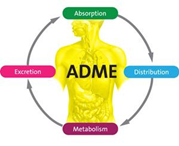 Other sciences, such as pharmacokinetics, formulations, and physiology, are essential for identifying the correct route for drug delivery:
- Pharmacokinetics - Can the drug get into the body at the correct levels?
- Formulations - Will it get to where the infection is at appropriate levels?
- Physiology - How do patient factors impact this?
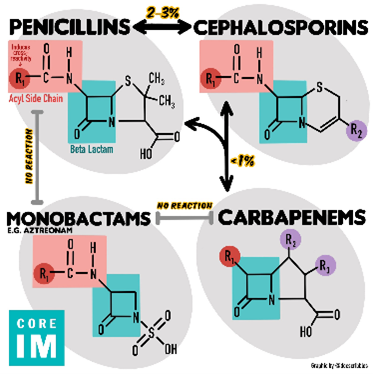 Considering patient-specific factors, such as allergy status and co-morbidities, also requires scientific expertise to understand why certain medications should/shouldn’t be used, ensuring every patient receives the most appropriate care for them.
- Chemistry – Will an antibiotic have cross-reactivity with a patient? The chemical structure is what can define allergy status
- Pharmacokinetics – Liver impairment may impact how medication is metabolised
Non-patient facing
In a previous role, Rachel worked in a large sub-ICB in the North East and North Cumbria ICB with a population of around 600,000. This population was spread over a wide area and was extremely varied – with areas of rurality, historic mining and heavy industry areas. The health literacy for the region is 6 years of age, and there were extremely high areas of co-morbidity and deprivation. All these factors contributed to the area having one of the highest levels of antibiotic prescribing in the UK. Rachel and her team wanted to expand regional understanding of appropriate antibiotic usage, and why this was so important. The use of behavioral science frameworks was essential to tackling this challenge.
Updates to the NICE 91 Guidance on Antimicrobial Treatment of Acute Otitis Media in March 2022 included a non-antibiotic treatment option - Otigo® ear drops. This gave Rachel an opportunity to target a subset of the patient population and ensure appropriate use of antibiotics. This route also supported prescribers as it offered parents a treatment option for their child without resorting to antibiotics, ensuring parental satisfaction.
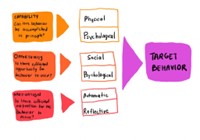 The COM-B model of behavioural change was used to approach this project
- CAPABILITY is defined as the individual’s psychological and physical capability to engage in the activity concerned
- OPPORTUNITY refers to the external factors which make the execution of a particular behaviour possible.
- MOTIVATION refers to the internal processes that influence decision making and behaviour
In this project, COM-B in action looked like:
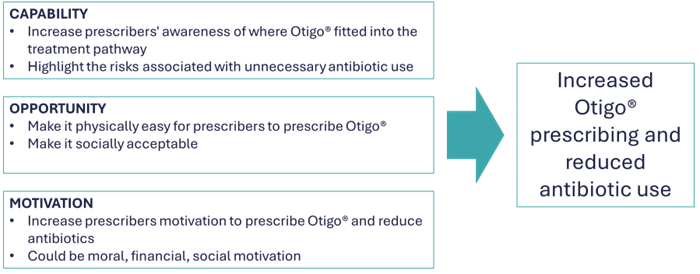
This behavioural science project resulted in County Durham being amongst the highest prescribers of Otigo® in the country, with antibiotic prescription numbers concurrently declining. Given the project's success, the interventions were rolled out further across the ICB.
Rachel concluded by highlighting that sciences have been essential to her pharmacy career, in both patient-facing and national-level roles. Scientific principles are at the core of pharmacy decision-making.