Meet some of our RPS Fellows
Meet some of our recently-appointed Fellows
Nirusha Govender
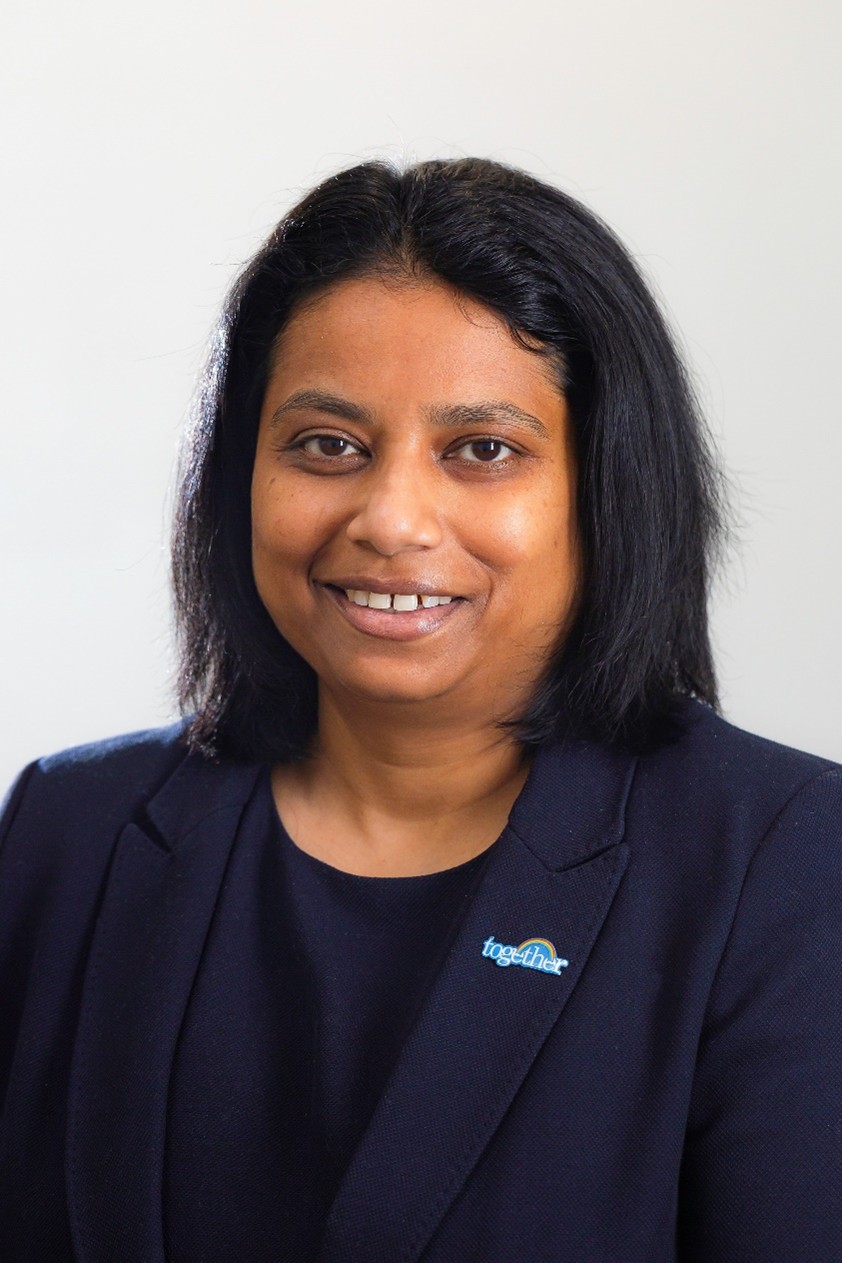 Nirusha Govender is a distinguished leader in pharmacy, known for her commitment to equity, innovation and service for underrepresented communities. Her career began in South Africa during apartheid, where early volunteer work with the Red Cross, offering covert HIV/AIDS counselling despite stigma has shaped a lifelong dedication to dignity, fairness and social justice in pharmacy.
After relocating to the UK in 2001, Nirusha’s career has spanned community pharmacy, primary care, specialist services and system leadership. She is currently Associate Director for Pharmacy Workforce, Medicines Quality & Safety at NHS Kent and Medway ICB, leading system-wide workforce transformation, strengthening medicines governance and elevating the profile of pharmacy within integrated care. Her ability to unite colleagues and collaborate across sectors has established her as an influential figure in regional and national pharmacy leadership.
A notable achievement was her innovation in supporting children and young people with special educational needs and disabilities (SEND). Nirusha identified critical gaps in medicines support for special schools and developed a pharmacy-led, pharmacy technician-delivered model that improved medicines governance, safety and stakeholder confidence. This service received the 2022 HSJ Patient Safety Award and recognition from the Royal College of Paediatrics and Child Health. The approach informs national practice and Nirusha has also shared her expertise through NHSE’s SEND Clinical Expert Reference Group.
Nirusha has demonstrated further leadership in paediatric palliative care by founding the first Pharmacy Specialist Interest Group (SIG) within the Association of Paediatric Palliative Medicine. Under her guidance, the SIG has grown into an international network, producing national guidance and specialist formularies while ensuring pharmacy’s integral role in multidisciplinary care for children with life-limiting illness. Her collaborative work has led to the regional paediatric palliative care drug chart, being adopted across Kent, Medway and the South East.
At a national level, Nirusha is a co-author of frameworks for Independent Prescribing and Designated Prescribing Practitioner development, embedding sustainability, genomics, and inclusion into policy. A soon to be published multi-professional collaborative framework by the Association of Prescribers has already been acknowledged by professional bodies for driving multi-professional transformation and supporting strategic pharmacy leadership.
Nirusha is committed to developing the next generation of pharmacists through extensive mentoring and coaching roles with the RPS, Commonwealth Pharmacists Association UK-ALFA Fellowship and NHS MIND mentoring programmes. She has co-authored book chapters, created national educational resources and delivers STEM and T-level initiatives; significantly increasing pharmacy career uptake amongst local students. Internationally, she has supported partnerships in Ghana and Malaysia through the APPM, building capability and sharing learning in paediatric palliative pharmacy.
She is also an active advocate in policy and strategic reform. Nirusha has represented the profession and the interests of children, families and disadvantaged groups at platforms including the Westminster Education Forum and is an Associate at Global Policy Network. She recently graduated as a CORE20PLUS Ambassador, championing efforts to address health inequalities and currently serves as a Board Member on NHSE’s national MedSIP Programme, influencing medicines safety at scale.
Throughout her career, Nirusha has exemplified compassion, collaboration and advocacy across clinical innovation, medicines safety, workforce transformation and global health education. Her leadership has been recognised by national awards and peer-reviewed publications and her influence is noted for strengthening the pharmacy profession and creating opportunities for diverse communities.
What Fellowship Means to Me
Becoming an RPS Fellow is profoundly humbling. It reminds me that any recognition in our profession is never about one person, but about the communities we serve and the colleagues who walk alongside us. Fellowship, to me, is a renewed commitment to service, a responsibility to lift others, amplify unheard voices and keep striving for equity, compassion and integrity in everything we do.
This honour strengthens my resolve to continue advocating for those who are too often overlooked and to support our profession for as long as I am able. Our work is never finished, and I hope to continue building an inclusive, confident and forward-looking pharmacy profession for future generations.
For those entering our profession and to those already shaping it every day, I hope you carry with you the courage to be your true self. As Dr Maya Angelou reminds us, ‘Courage is the most important of all the virtues, because without courage, you can’t practice any other virtue consistently.’ Be bold, be kind and trust that your authentic voice has the power to shape our future.
Antonio Ochoa-Ferraro
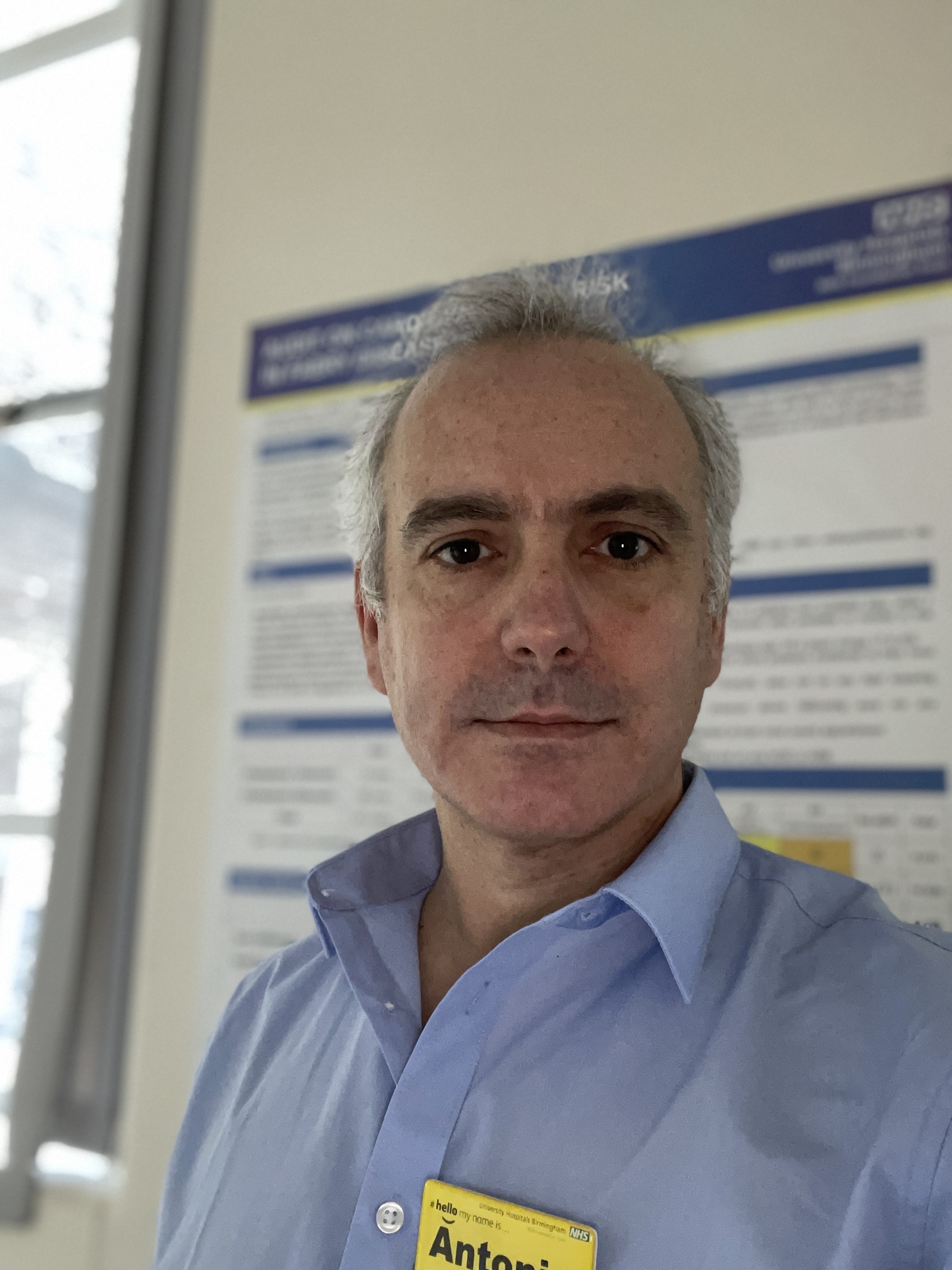 Antonio Ochoa-Ferraro is the UK’s first Consultant Pharmacist in Inherited Metabolic Diseases (IMD), appointed at University Hospitals Birmingham NHS Foundation Trust. With over two decades of hospital pharmacy experience, Antonio has contributed to patient care and national practice through his clinical expertise, research contributions, and strategic policy work.
Antonio’s career spans aseptic services, clinical trials, oncology, paediatrics, and neonatology, culminating in his current role where he leads specialist pharmacy services for rare metabolic conditions. He has served as Pharmacy Lead for the NHS England Clinical Reference Group for Metabolic Disorders and is embedded within the Central & South Genomic Medicine Service Alliance, where he contributes to the advancement of pharmacogenomics integration across the NHS.
His research portfolio includes co-authored peer-reviewed publications on Fabry disease, familial chylomicronaemia syndrome, homocystinuria, and Tangier disease, with a landmark case series on cerebral venous thrombosis as the first manifestation of homocystinuria (European Stroke Journal, 2021). He has presented at major national and international conferences such as WORLD, ICIEM, BIMDG, and Heart UK, highlighting pharmacist-led innovations in lipid management, enzyme replacement therapy, and genomic education.
Antonio has also contributed as an editor to the BIMDG Formulary for IMDs and is a keen educator and advocate for rare diseases, collaborating and promoting educational and awareness among pharmacists and other healthcare professionals regionally and nationally.
Antonio has a strong interest in continuing his development as a pharmacist and is currently undertaking the Genomic Medicine postgraduate program at University of Birmingham.
What does being a Fellow mean to me?
Becoming an RPS Fellow is truly humbling and a great honour. I was certain I wanted the become a pharmacist before I started university, then, when I worked with Steve Williams (FRPharmS) at Halton Hospital, my dream was to become a hospital pharmacist with his level of clinical knowledge. Working in my current role has enabled me to grow as a pharmacist and allowed me to widen the scope of my practice, contributing to patient care, healthcare education and development of services. I am very grateful for all the support, opportunities and inspiration I have received over the years that have shaped me into the pharmacist I still strive to become every day.
Nathan Burley
)
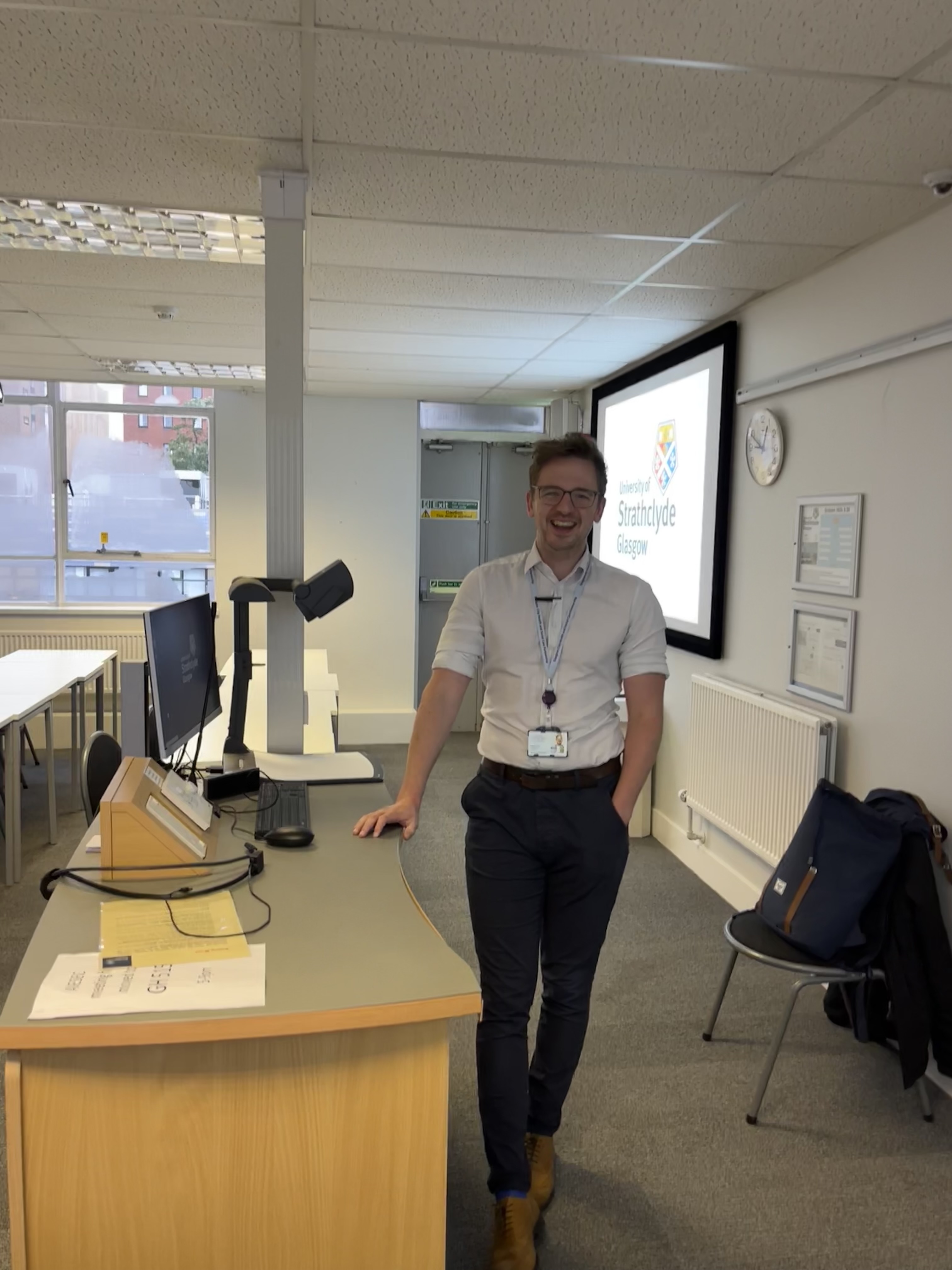 Nathan Burley is a distinguished pharmacist based in Glasgow, Scotland, renowned for his leadership in public health protection and sexual health services within Pharmacy Services in NHS Greater Glasgow and Clyde.
His career, beginning on graduation from Robert Gordon University in 2017, is marked by a commitment to advancing the pharmacy profession through significant involvement in all four pillars of practice. Starting in secondary care in the NHS, he has held a variety of roles including specialising in endocrinology at Scotland’s largest hospital, the Queen Elizabeth University Hospital. He took up a senior role in public health during the height of the Covid-19 pandemic and was instrumental in the successful roll-out of the mpox vaccination programme in Scotland in 2022.
Additionally, Nathan has represented the pharmacist community on the Clinical Governance Committee of the British Association for Sexual Health and HIV (BASHH), contributing to the development of clinical standards and governance across the United Kingdom’s sexual health services. He has been Lead Pharmacist for the National Sexual Health Electronic Patient Record system in Scotland since 2022 and lobbies for the involvement of pharmacists in the clinical informatics space on an ongoing basis.
He has held a Visiting Lecturer position at the University of Strathclyde where he teaches undergraduate pharmacy students and postgraduate pharmacists about the vital role of pharmacy professionals in public health.
Nathan has also held significant roles within the Guild of Healthcare Pharmacists (GHP), serving as President and latterly as Immediate Past President. In these capacities, he has been instrumental in advocating for the interests of pharmacists at both UK and European levels. His leadership was pivotal during discussions on NHS workforce challenges, where he emphasised the need for fair compensation and recognition of pharmacists' contributions to patient care.
Beyond his clinical and leadership roles, Nathan is an advocate for inclusive healthcare. He has authored articles on trans-inclusive healthcare, highlighting the importance of understanding gender identity and providing equitable care in pharmacy practice. Publications in the area of abortion care and HIV Pre-Exposure Prophylaxis therapeutics demonstrate a commitment to research and advancing the evidence base for services accessed by marginalised groups in our society.
Through his multifaceted career, Nathan Burley exemplifies the evolving role of pharmacists in public health, sexual health, clinical governance, and advocacy for inclusive healthcare practices.
What does being a Fellow mean to me?
To be honoured with this recognition at a comparatively early stage in my career is truly humbling. Taking a look at the list of Royal Pharmaceutical Society fellows and knowing of their accolades, I feel a degree of imposter syndrome. Having a panel of peers validate and recognise my work so far is wonderfully reassuring; putting yourself out there does not come without its challenges. I am deeply committed to improving healthcare services for often overlooked or marginalised groups in our society and this personal motivation keeps me sharply focused. I look forward to meeting with other fellows and learning from their wisdom and experience.
Adebola Popoola
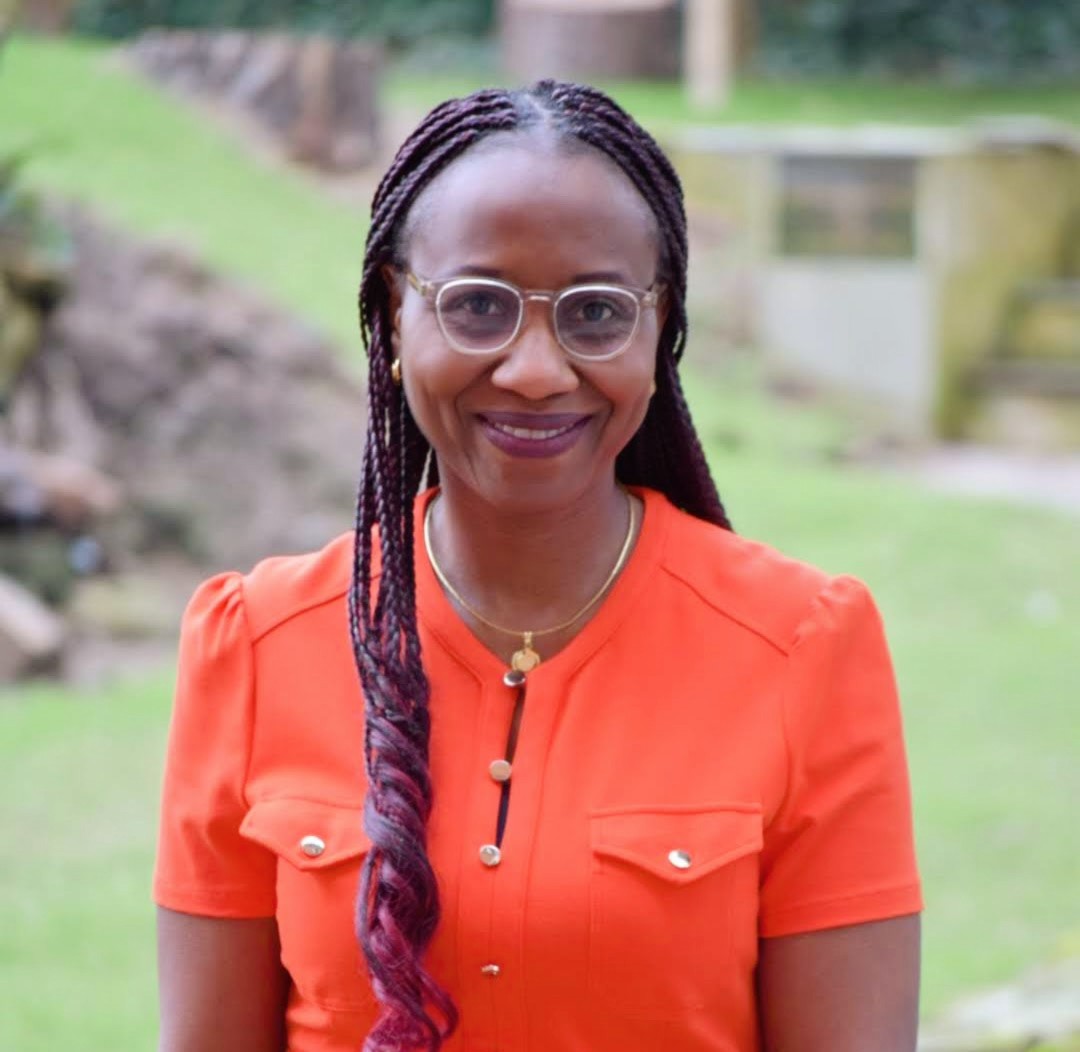 Adebola Popoola is an accomplished pharmacist and visionary leader with a distinguished career spanning over two decades. She graduated from the University of Ibadan, Nigeria, in 2001 and worked at the University College Hospital, Ibadan, until 2007, before emigrating to the United Kingdom. Her journey into UK pharmacy began humbly, with a summer placement with Weldricks Pharmacy, Royston in Yorkshire that gave her insight into community pharmacy practice and ignited her passion for creating opportunities for aspiring professionals. For the summer placement, she had to relocate with her family from London to Barnsley.
In 2008, she completed the Overseas Pharmacists’ Assessment Programme (OSPAP) at the University of Sunderland, earning a Postgraduate Diploma in Pharmaceutical Sciences. She further honed her skills through pre-registration training at the Co-operative Pharmacy, Ellesmere Port, followed by roles as a manager-in-training and pharmacy manager. In 2013, Adebola fulfilled her vision of owning a pharmacy by starting Kensington Neighbourhood Health Centre Pharmacy in Liverpool from scratch with her partners. This was a 100-hour pharmacy designed to address health inequalities in a deprived area, opening extended hours to provide much needed access to the local population. The pharmacy presently opens 90 hours a week. Under her leadership, the pharmacy has become a trusted healthcare provider in the community.
Adebola’s innovative approach to pharmacy includes introducing a Patient Medication Record (PMR) system to reduce waiting times and reinvest time into health-promoting activities. Her pharmacy has delivered outstanding local and national services, including saving the lives of patients experiencing critical health emergencies, and has consistently fostered strong relationships with the community.
A staunch advocate for education and mentorship, Adebola has trained over 50 pharmacy students and 10 pre-registration pharmacists, many of whom have gone on to successful careers. Since 2016, her pharmacy has hosted placement opportunities for pharmacy students from Liverpool John Moores University. She has also worked tirelessly to promote the pharmacy profession among younger generations, organising career awareness events in schools and mentoring students from deprived communities.
Committed to addressing societal inequalities, Adebola uses her platform to inspire and support individuals from underrepresented groups. Her involvement in Black History celebrations and apprenticeship programmes has empowered many to pursue pharmacy and other healthcare professions.
Beyond her pharmacy practice, Adebola has completed a Postgraduate Diploma in Clinical Pharmacy and an independent prescribing programme specialising in hypertension and using the skills acquired during the programme to support the local community with prompt identification and management of people with undiagnosed hypertension through the hypertension case finding service. As one of the early adopters of the Community Pharmacy Independent Prescribing Pathfinder Programme, she is set to expand services to her community. Adebola got her pharmacy approved for COVID vaccination service after 3 tenacious attempts thus opening her doors to the local community for vaccination at a time of great need and working to reduce health inequalities people in more deprived communities suffer. She has since then consistently supported the COVID and flu vaccination programmes annually. She also embraced all locally commissioned services by her Local Pharmaceutical Committee as well as all other national commissioned services.
Adebola collaborates with local and regional healthcare professionals to influence policies that improve health outcomes. She also mentors fellow pharmacists, offering guidance on establishing and managing community pharmacies. She is a founding member of a national independent contractors’ group, Independent Pharmacy Plus Association.
Adebola Popoola’s career reflects her unwavering dedication to patient care, professional excellence, and the development of future pharmacists. Her impact on the pharmacy profession and her community exemplifies the values of leadership, innovation, and service.
What does being a fellow mean to me?
I feel highly honoured and humbled to be awarded a fellowship of the RPS and my heartfelt gratitude goes to my peers who have nominated me. Thank you for believing in me and supporting me through my pharmacy journey. It’s also been a great privilege to have been able to invest in the young minds that I have mentored especially those who have gone to pursue careers in pharmacy. I have found so much fulfilment in this opportunity.
I appreciate all my patients and the local community, many of whom have become like my family for allowing me to serve them and be a part of their health journey.
I remain deeply committed to my role as a pharmacist and take great pride in this. Being recognised as a Fellow is a tremendous privilege, and I firmly believe that the Royal Pharmaceutical Society plays a crucial role in offering guidance and leadership to our profession.
Amerjit Singh
 Amerjit Singh is an NHS independent contractor who owns two pharmacies and Skills4Pharmacy, currently the largest pharmacy apprenticeship training provider in the country.
During his pre-registration for Lloyd’s Pharmacy, he completed a project on staff training, which was the commencement of his passion for bringing together his two vocational loves, Pharmacy and Education.
Amerjit has also won multiple awards for both his work as a pharmacist and as an educator with Skills4Pharmacy.
Amerjit commenced his career briefly as a locum and set up a locum agency before soon purchasing his first pharmacy in 1999. Amerjit's second pharmacy was a new contract that he established in 2001.
Amerjit has always believed that pharmacy is essential to improve the health of local communities and becoming an integrated part of primary care. Amerjit has been outspoken in his belief that pharmacies deliver safe high quality clinical services, and that they improve population health by working closely with GP practices and other healthcare professionals. As a contractor he believes that their primary role is to be local to the communities that they serve, providing essential provision of a wide range of services targeted at improving health in addition to the critical role of provision of safe access to medicines.
In 2015, Amerjit founded Skills4Pharmacy as he felt underwhelmed by the education that was available within the sector. Amerjit developed a pharmacy friendly approach to education that would eventually revolutionise the way hundreds of contractors now recruit, train, and educate their pharmacy teams.
Amerjit commenced training his first learners in the newly formed Skills4Pharmacy in 2015 from the consulting room of one of his pharmacies, and this has now grown from those humble beginnings to become the largest provider of pharmacy apprenticeship training in the country.
Skills4Pharmacy is a Pharmacy Apprenticeship training provider dedicated to initiating and furthering the careers of Pharmacy Technicians and Pharmacy Services Assistants. Amerjit and the whole team at Skills4Pharmacy take great pride in delivering high quality training programmes to learners and play a critical role in providing the next generation of workforce for our sector.
Amerjit as a practising pharmacist is acutely aware of the need for pharmacy to take on extended roles, however without a thorough review of the skills mix and roles required to facilitate the workload within each pharmacy, the aspirations of increased services will not achieve the desired objectives for population health outcomes.
Amerjit is an advocate for the need to ensure the right person in the right role with right skill set is delivering a quality and efficient service. Amerjit has stated in many arenas that a workforce strategy must be developed to manage the increase in demand for pharmacy technicians in both hospital and community pharmacy and applauds the recent Pre-registration trainee pharmacy technician (PTPT) programmes.
Amerjit enjoys collaborating with contractors and other pharmacy stakeholders to discuss strategies that help the communities we serve receive the best pharmaceutical services possible even in the most trying of times, including during Covid and now when so many pharmacies are forced to close due to financial pressures.
Amerjit is a believer in the pharmacy sector and travels around the country coaching pharmacists about the importance of education in our sector and the value of developing the correct skills mix in our pharmacies by empowering our staff and believes this currently is the most exciting time for pharmacy in a generation. Amerjit is passionate about the sector needing to utilise the best practices of both registered professions with the GPhC, which are pharmacists and pharmacy technicians.
Amerjit is also a co-founder and trustee of an autism charity ABUK (Autism Beaudon Understanding Kindness). His charity hosts SEN playgroups and parent support for any families with children who have autism and additional needs. Amerjit has aspirations of spreading awareness of Autism and assist in building a more open, accessible and accepting community.
Amerjit will undoubtedly leave a genuine legacy, as thousands of staff that now work in both community and hospital pharmacy have been trained on courses that he has developed and received accreditation not just by GPhC, but with the Department of Education as well.
What does being a Fellow mean to me?
Being appointed a fellow of the Royal Pharmaceutical Society is an immense honour. It motivates me further to ensure the sector is in a better place when I leave than it was when I first qualified. The sector has been life changing for me and I will do all I can to ensure the next generation of pharmacy workforce is ready for the challenges that the future of pharmacy will face.
I am honoured to have had my work recognised with Fellowship of the Royal Pharmaceutical Society.
Ifesinachi Anyamene
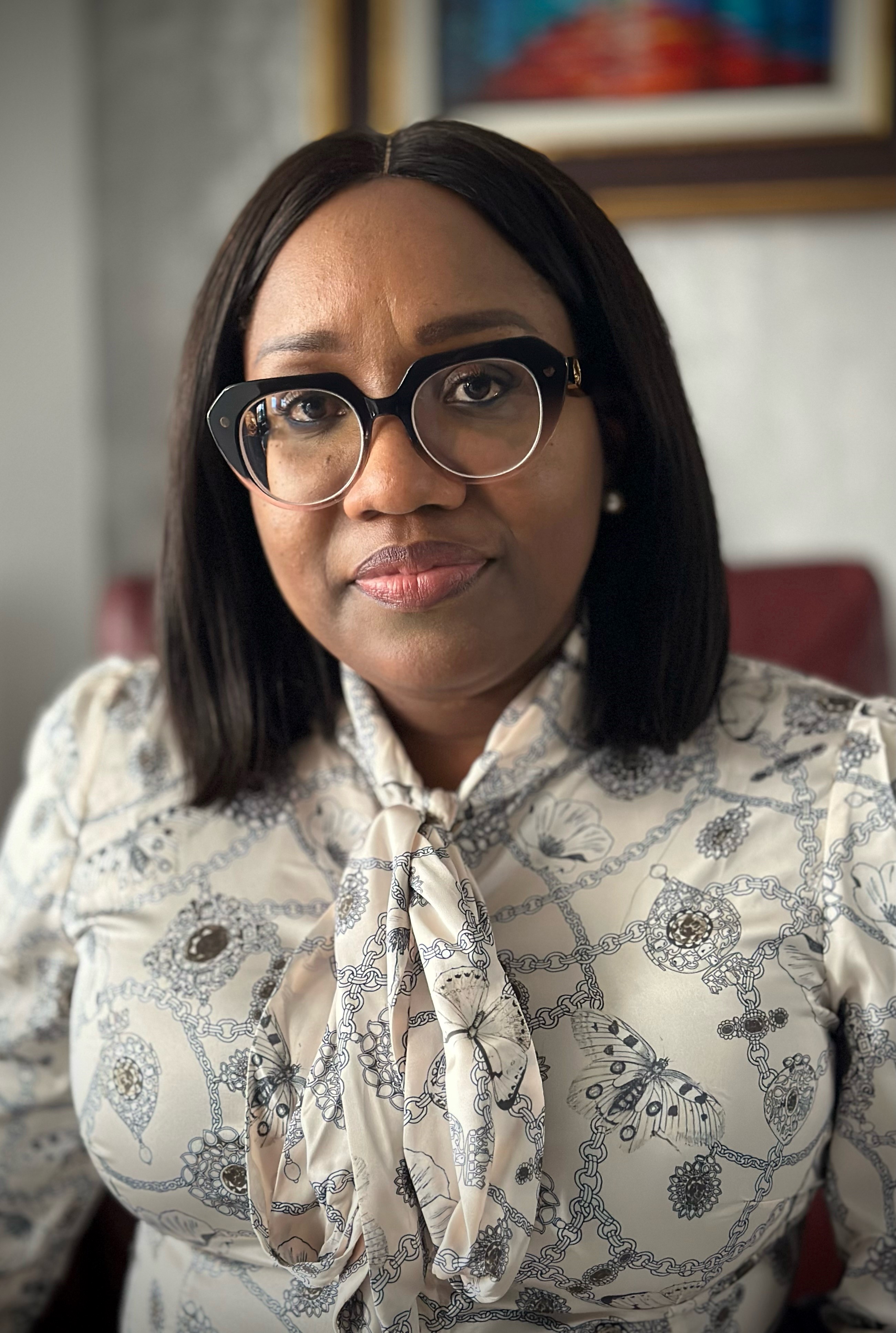 Ifesi Anyamene is an NHS independent female contractor who owns two pharmacies including one she started from scratch in 2011. She originally qualified as a pharmacist in Nigeria, 25 years ago in 1998 and then relocated to her birth country, England after working there for two years. Three years later in 2003, after her preregistration training, she registered as a pharmacist. It’s interesting to note that at the time she was undergoing her registration training, she was the pregnant mother of a 2-year-old toddler but that did not deter her from completing her preregistration training.
Ifesi started her community pharmacy, Fieldway Pharmacy in 2011 after she realised while working as a locum in the area that there was a gap in pharmacy provisions in the locality especially as Fieldway sits in a deprived part of Croydon. She is the PCN lead for SELNASH in Croydon as well as South Tandridge in Surrey and is the immediate past treasurer for the Croydon LPC. She is also one of the founding members of Nigerian Pharmacists UK and contributes her time and resources as a member of the UK Black Pharmacist Association.
Apart from her responsibilities as a community pharmacist, Ifesi is committed to developing herself and others, particularly focusing on mentoring people from minority backgrounds. Social mobility is dear to her heart, and she has encouraged not just her staff, but members of the local community (which is a deprived one) to aspire to do more for themselves, and where possible, the community through offering them opportunities for work experience and volunteering.
Ifesi is very keen on mentoring people from minority backgrounds and deprived communities as she offers secondary students opportunities to do their work experience in her pharmacies as well as work placement for university Pharmacy students. Mentoring young adults exemplifies Ifesi's compassion and commitment to fostering the development of the next generation of chemists and NHS employees, with a particular focus on individuals from diverse communities.
Through assuming the responsibility of a mentor, she altruistically imparts her expertise, experiences, and competencies to aspiring pharmacists, thereby assisting them in their pursuit of prosperous professional trajectories as a foundation tutor. Her guidance and support are of immense value to these young individuals, as she imparts confidence, professionalism, and a steadfast commitment to effort. One young person from an ethnic minority background was hired by Ifesi despite lacking formal training in pharmacy. In less than two years after joining the pharmacy, she received three awards from independent magazine awards at the House of Parliament and was nominated for five awards. Additionally, she was honoured with the Recognition of Excellence award from TM magazine. These accomplishments were the result of Ifesi's support and time investment.
She promotes diversity and equality in the profession and assists in closing the gender gap in pharmacy by empowering and elevating young women in the field. In addition to her immediate influence on individuals, Ifesi's mentoring endeavours have extensive consequences. Two of her mentees, who initially started as work experience students in the pharmacy and subsequently continued to work there under her guidance, have since obtained nursing qualifications. Furthermore, two of her mentees are currently in their final year of pharmacy school and are progressing towards becoming accomplished pharmacists themselves. Their occasional visits to the pharmacy are evidence of the profound connections Ifesi forges with her mentees, which she not only considers employees but also members of a large family.
Through the cultivation of a supportive and collaborative atmosphere, she actively contributes to the advancement of the profession as a whole and fosters a culture that values ongoing education and professional growth. There is no doubt that Ifesi is a people person at Fieldway Pharmacy, as the majority of her clients recognise her by name and she is devoted to meeting their health requirements. As there was a deficiency in her locality, she applied to the NHS London Covid team to be included in the provision of the vaccination and prevention service, demonstrating her determination and tenacity in addressing health disparities. Despite the initial rejection of her application, she persevered due to her conviction that the community required the service. She achieved success on her second attempt. As a result of the substantial number of vaccinations administered, her pharmacy was officially recognised as one of the evergreen pharmacies, which conducts vaccinations throughout the entire year. She has led a team in the administration of nearly 20,000 vaccinations to date.
Ifesi is an independent prescriber, and her area of specialty is Hypertension and CVD. She has found her training very useful especially with the new advanced Hypertension case finding service provided by Fieldway Pharmacy. She can confidently offer blood pressure monitoring to patients, particularly men and members of ethnic minority groups who have a history of being hesitant to visit their GP. Ifesi can be seen enthusiastically engaging with patients on how to use their medications and reduce waste. She is very keen in providing the New Medicines Service and speaks to at least 45/50 patients monthly while providing this service. The GPs in her area now rely on her to explain to patients about their new medications and inform them of any side effects or interactions experienced by the patients.
In conclusion, Ifesinachi Anyamene’s exceptional contributions to the field go beyond expertise; her dedication, entrepreneurial spirit, and commitment to nurturing the next generation make her unequivocally a formidable force in the pharmacy industry and the community. Ifesi’s impact extends far beyond her community, positively influencing the pharmacy profession as a whole.
What does being a Fellow mean to me?
Being appointed a fellow of the Royal Pharmaceutical Society is such an immense honour. I’m deeply humbled by the recognition from my peers and grateful to those who nominated me, believing in my contributions. My heartfelt thanks to all who supported me on this incredible journey, shaping the path from where I began to where I stand today.
Reflecting on my pharmacy journey, I’ve come to appreciate that every experience, no matter how small or significant, molds us into the individuals we become. Resilience, compassion, and advocacy, regardless of beliefs or background are some of the values that have shaped my career. I thrive on the satisfaction expressed by my patients whenever they visit our pharmacies and this spurs me on to provide them with even greater quality care.
Susan Mann
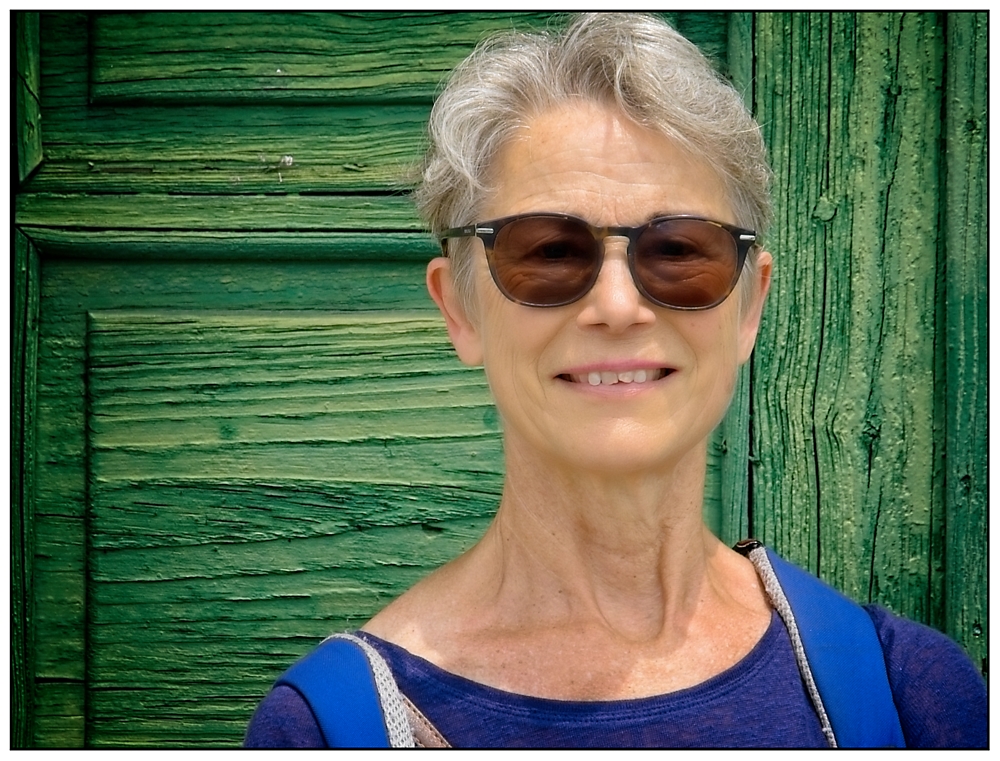 I have always considered myself very fortunate, in that once I had decided to study Pharmacy, I knew I wanted to work in the industrial sector. I wanted to be involved in the development and manufacture of medicinal products that make a difference and help improve the quality of life for patients.
I joined the industry initially in a technical support role for production, then moved into quality assurance as an operational quality representative, giving me the opportunity to see all aspects of manufacture and control of a wide range of medicinal products. Many active substances and packaging components were also made on site, so this provided even broader experience. It also, of course, gave me hands on experience of what can and occasionally does go wrong! In these roles, I became very familiar with the requirements for Good Manufacturing Practice (GMP). The pharmaceutical industry must adopt these as it is very highly regulated.
My boss encouraged me to consider becoming a “Qualified Person” (QP) I sat my oral viva at the old RPS building near Lambeth Palace, passed, and became a QP in the mid 1980’s. Since then, I have spent much of my career in various quality assurance roles, from operational through to senior management, culminating with the role of VP International QA responsible for GMP compliance for both development and commercial medicinal products.
Over 20 years ago I was invited by the Chair of the RPS QP Assessors group to become a QP Assessor. In this voluntary role, I review application forms and conduct Vivas for prospective QPs as part of a panel.
I started my own consultancy in 2009, wanting to share the knowledge and experience I had gained in the industry and as a QP. In this capacity, I have assisted start-up companies to develop and implement appropriate quality systems to support the work they perform. I have also assisted larger companies to streamline their quality systems to improve both efficiency and effectiveness. I have helped many companies prepare for successful regulatory inspections and helped others to deal with the outcomes of a poor GMP inspection.
A few years ago, I was invited by UNIDO (United Nations International Development Organisation) to join a small team of Good Manufacturing Practice (GMP) experts involved in a project to strengthen local manufacture of medicinal products in East Africa. After initial training in Vienna, I joined a team of 3; each assessing manufacturing sites on our own, according to agreed guidelines and WHO standards.
UNIDO had already spent time in each country completing the groundwork by liaising with the industry, regulators, and government officials to ensure each project had the maximum chance of success. The project that initially began in East Africa, was later rolled out in some West African countries. Each GMP expert assessed individual companies who had signed up to the initiative and were interested in achieving the standards required to gain valuable site accreditation to WHO GMP standards. I conducted GMP assessments of their premises, equipment/utilities and the quality system which should describe and support all activities being performed. At each assessment, I was accompanied by a local regulatory authority inspector to demonstrate transparency and consistency.
In several countries, I also had the opportunity to attend meetings with various Ministers of Health and Trade Organisations. These initiatives are critically important in helping countries become more reliant on the domestic manufacture of cost effective, quality medicines for the local market and this in turn can often also open additional export markets to them. Each visit, I would typically spend 2 weeks in country and complete 5 company/site assessments each of 2 days. Hard work and long reports to complete, but definitely worth it. I enjoyed the challenge of considering cost effective solutions and improvements that companies typically with quite limited resources would be able to complete in pursuit of accreditation to WHO GMP standards. In all countries, I was respected as a Pharmacist, with many of experience of EU and WHO GMP requirements.
I was also able to make several return visits to review action plans for improvement at various sites and perform some re-assessments of both sites and systems. This gave me the opportunity to provide support and encouragement to these companies and to actually see the improvements that had been made.
More recently, in addition to my consultancy, auditing and training work, I have been involved in another project for UNIDO, supporting a country in a different area of the world wanting to implement EU GMP standards to ensure appropriate quality and consistency of all medicinal products manufactured and supplied. For this project, I have been involved in numerous training courses on a range of topics associated with GMP. This in turn has led to some 1:1 coaching sessions with individual companies. It is very satisfying to see how in all cases, the companies develop a greater understanding of the regulations and guidelines (whether WHO or EU) associated with their operations and are empowered to implement changes that will assist them comply with the requirements.
I have been a Pharmacist and worked in the industry for over 40 years. I continue to have a varied and fulfilling career and am delighted to see more opportunities for those wanting to enter the industry.
What does being a Fellow mean to me?
I am both delighted and humbled to have been nominated as a Fellow of the RPS. It will motivate me further to helping others during their various career journeys. It is an honour to realise that my contributions have been recognised.
Peter Morgan
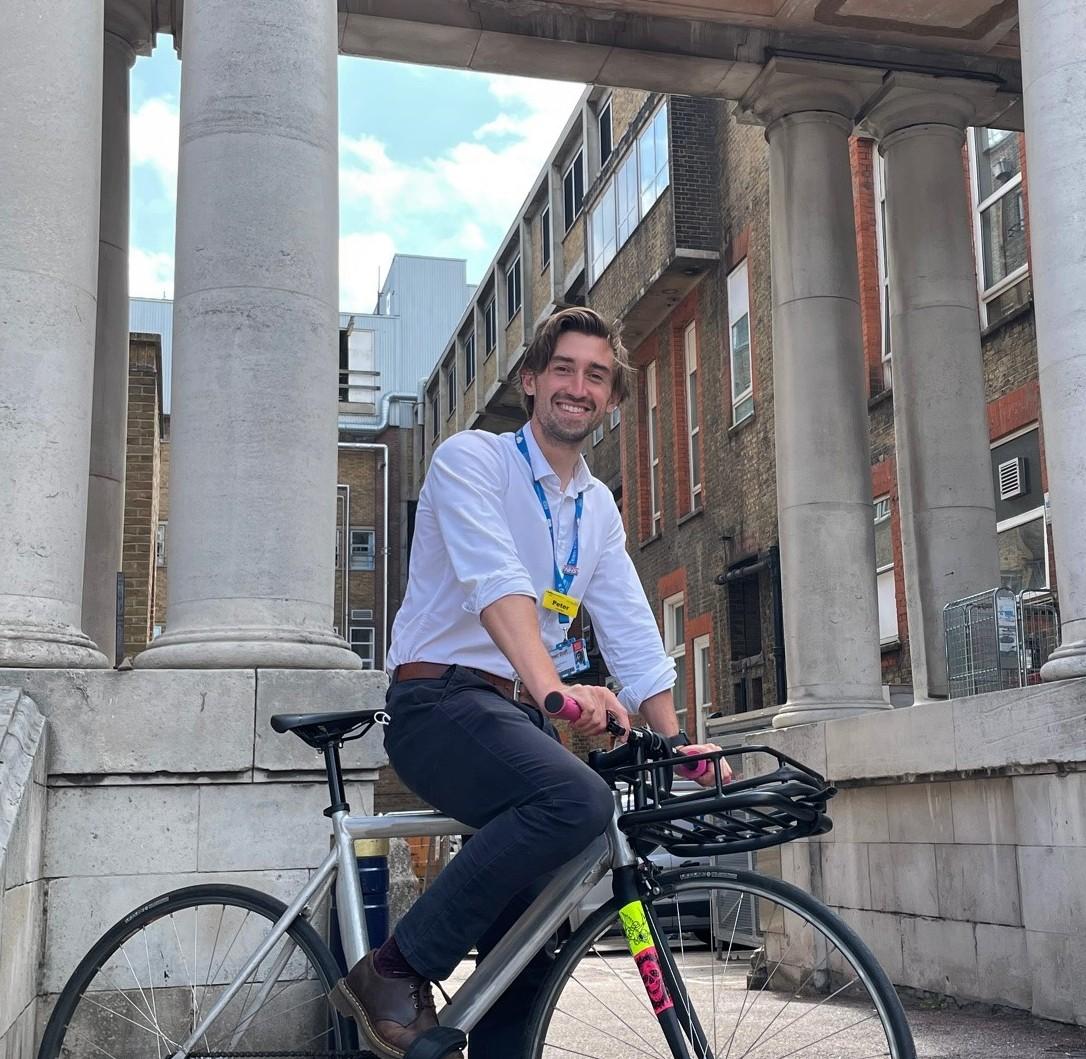 Peter is currently the Medicines Net Zero Assistant Director for NHS England, leading the national strategy and policy work to reduce the medicines carbon footprint of the NHS in England. This work comes from the demand side, including levers such as high quality, low carbon inhaler care and the reduction in waste anaesthetic agents, to the supply side, working with medicines manufacturers and supply colleagues across the pharmaceutical industry.
After graduating from the University of Bath in 2013, Peter completed his pre-registration year in Nevil Hall Hospital in Abergavenny, Wales before moving to London where he started at King's College Hospital as an aseptic pharmacist. After realising his passion for this critical high impact area of pharmacy he quickly progressed into leadership roles. Peter chaired the London and South East Aseptic Services Managers group where he set up a workforce and research workstream; as well as sat on the Pharmaceutical Aseptic Services Group. In 2018, Peter undertook the Chief Pharmaceutical Officer's Clinical Fellowship Scheme giving him unparalleled exposure to pharmacy and healthcare leadership where he started to realise the importance of pharmacy/medicines leadership in tacking the climate crisis. After the fellowship, Peter returned to King's as Associate Chief Pharmacist - Aseptic Services where he oversaw two large capital projects and managed a critical cross-site CIVAS service during COVID all whilst developing and growing the Aseptic service, ensuring it continues to maintain the best patient care into the future.
Knowing the climate emergency is a health emergency and the vital role that pharmacy staff have in tackling it, Peter joined forces with other pharmacists to cofound Pharmacy Declares; climate conscious pharmacy professionals based in the United Kingdom calling for divestment, declaration, climate-health leadership & education. Pharmacy Declares went on to support numerous pharmacy organisations, including the RPS, to meet these objectives. Peter’s passion for sustainability, EDI and health inequalities continued to grow as he championed for these to be a part of pharmacy practice and calling for leadership in these areas from pharmacy organisations.
Peter then moved into his current role in NHS England working within the medicines policy and analysis unit leading the Medicines Net Zero Team, a Greener NHS workstream. The NHS was the first healthcare system in the world to commit to Carbon Net Zero and medicines currently make up 25% of the carbon footprint of the NHS in England, a key priority area for Net Zero. The team supports identification, empowerment and leadership working towards decarbonisation across both supply and usage of medicines.
What does being a Fellow mean to me?
I was thrilled upon finding out that I was not only nominated but awarded an RPS Fellowship. This Fellowship is recognition that pharmacy professionals have a role in tackling the climate crisis and that doing so is recognised by our professional body. I am excited to represent the RPS as a Fellow, using my platform to bring more awareness to the climate crisis and show what we, as pharmacy professionals, can do to ensure a healthy future for our patients and planet.
Peter Mulholland
 Peter Mulholland is currently a neonatal pharmacist at the Royal Hospital for Children in Glasgow. In addition he is the lead pharmacist for immunoglobulins for NHS Greater Glasgow and Clyde Health Board, and the lead pharmacist for Procurement Strategy for the board.
Peter qualified from the University of Strathclyde in 1981. His first senior role was as the Quality Control pharmacist at the Southern General Hospital in Glasgow, from here he took on the lead for pharmacy computer services. Peter attained membership of the College of Pharmacy Practice by examination in 1993. This was converted to a MSc in Clinical Pharmacy in 1997 at Liverpool John Moore’s University, and Fellowship of the College was awarded in 2007, following assessment against the Competency Development and Evaluation Group (CoDEG) standards. He was the second recipient of the College’s Bamford Silver Jubilee cup, in 2008. He acted as a tutor, and assessor, for the Scottish Hospital Pharmacy Vocational Training Scheme, which provides a clinical development programme for junior pharmacists.
Peter's main clinical role and research role has always been the care of neonates. He joined the Neonatal and Paediatric Pharmacists Group (NPPG) on its foundation in 1994 and has been involved with the group ever since, joining the committee in 1997. This resulted in taking on roles that would not necessarily be associated with a pharmacist working in Scotland, such as membership of the NPSA group, looking at care bundles for gentamicin use in neonates and, more recently, one of two pharmacists on the NICE Guideline development group for neonatal parenteral nutrition and the subsequent development of Quality Standards for the group.
What does being a Fellow mean to me?
Throughout my career I have been fortunate to have bosses who have allowed and supported me to develop my varied roles. I am also passionate about developing junior pharmacists to reach their full potential. None of this is possible without the additional support of professional development organisations either at a specialist level such as NPPG, or at a national level like the RPS. I am honoured to have had my work recognised with Fellowship of the Royal Pharmaceutical Society.
Dr Amira Guirguis
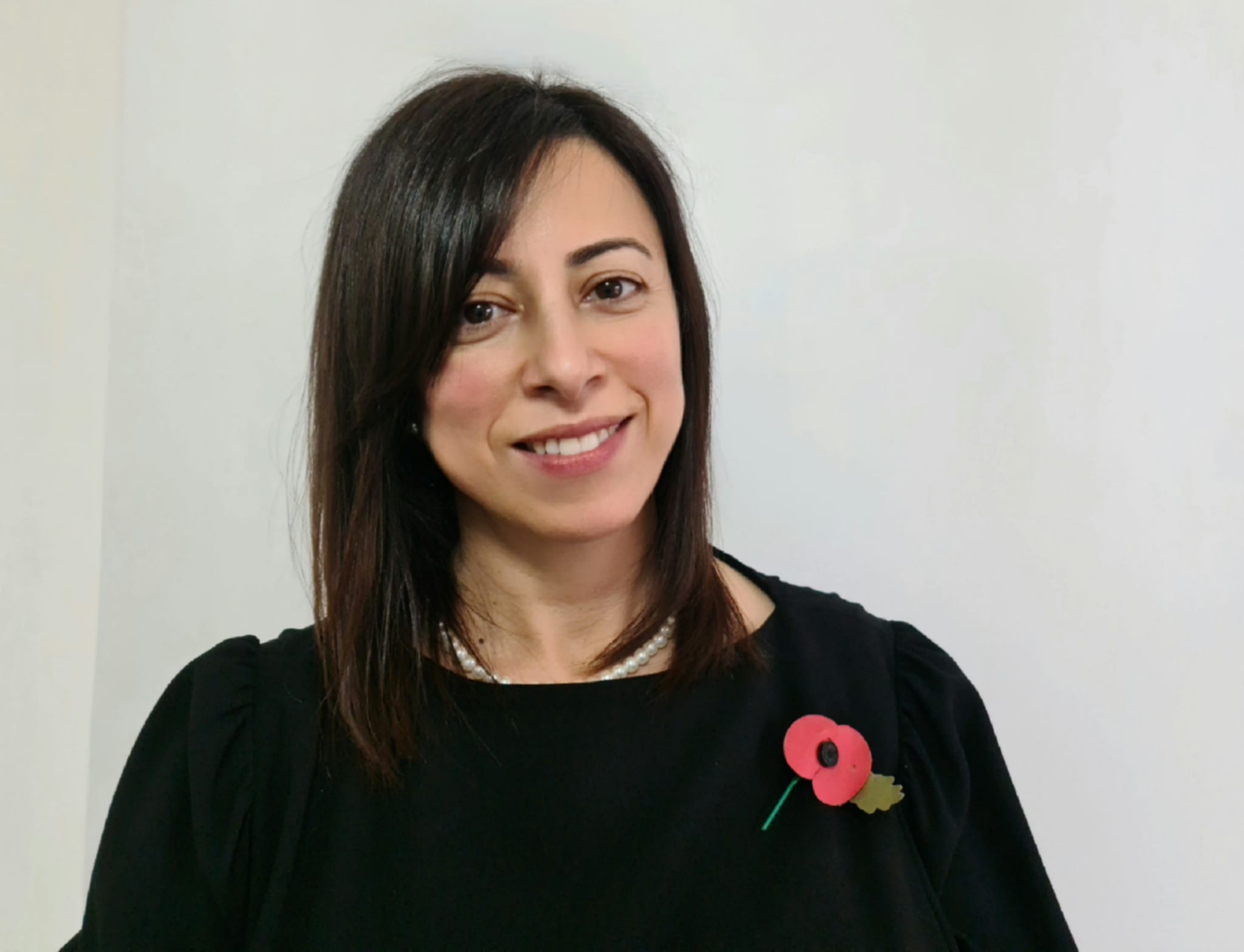
Amira originally trained as an accountant, has pursued a career as a pharmacist and gained her PhD in the in-field detection of New Psychoactive Substance (NPS). She has worked in community and hospital pharmacy, and as an academic and researcher.
After completing a BSc in Accountancy, Amira pursued her Pharmacy degree at the University of Hertfordshire. Amira worked in community and hospital pharmacy before pursuing her interests in academia and research. Amira had a passion for combining science and practice, so as she was completing her PhD on novel psychoactive substances and their detection, she was leading on national borough-level talks with service providers to raise awareness about these novel drugs, highlighting the role of the pharmacist in reducing harms from these drugs. Amira was very passionate about Foundation pharmacists (previously known as pre-registration pharmacists) and was engaged in their education and training with providers such as ProPharmace. She’s been also involved in the training of designated supervisor (previously known as tutors) training, and the ProPharmace/HEE Educational and Practice Supervisors training of pharmacy team members across sectors.
Amira is particularly known for the breadth of her knowledge and experience in drug detection particularly the novel psychoactive substances, where she has made major contributions through her PhD and to the trial of drug checking in community substance misuse services in collaboration with (Addaction). The project piloted the first home licensed service and had a great impact on drug policy in the UK.
Amira sits on CD national Boards to advise and share information on matters related to controlled drugs and substances with a potential for misuse and/ or diversion. This is owing to Amira’s expertise in current projects that she co-supervises with colleagues from Swansea University, the University of Hertfordshire and the University of Anglia Ruskin on pharmacovigilance and medicines diversion, drug abuse and mental health, opioid use disorders, smuggled drug detection in prisons, evaluation of healthcare professionals’ knowledge and response to people who use novel psychoactives, and analysis of drugs on the web to improve preparedness to future threats.
Amira is known for promoting the role of the pharmacist in reducing drug related harm through national and international forums. Amira is committee member of the Joint Pharmaceutical Analysis Group (JPAG) and the Geoffrey Philips Award Chair, she is a member of the RPS Science and research Committee and a Board member of the RPS Medicines, Ethics and Practice. Amira was also on the Women to Watch List 2020.
Amira is now the Programme Director of the 4-Year MPharm and the 5-Year MPharm with a Foundation (Preparatory) Year at Swansea University. Amira contributed to the early development and establishing of these programmes, which welcomed their first cohorts in September 2021.
What does being a Fellow mean to me?
It is an honour to have been designated a Fellow of the Royal Pharmaceutical Society. It is humbling to be recognised by my peers. I was incredibly fortunate to have worked with inspiring pharmacists and colleagues within the profession and from the wider healthcare team.