Professor Amira Guirguis, FRPharmS
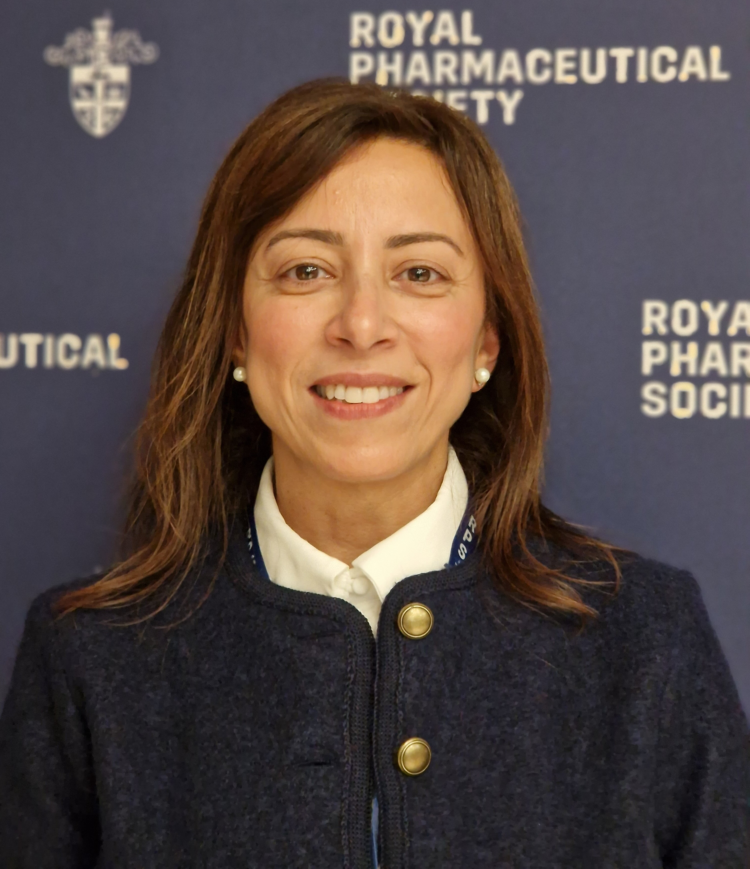
Chair of the RPS Science and Research Committee
"This new structure will help us remain at the forefront of healthcare innovation and development. This is really a once in a generation opportunity to promote pharmacy. It's an opportunity to shape the future, and ensure that our profession has the recognition and influence it deserves."
Why are you supporting RPS’ proposals for change and royal college ambition?
As a pharmaceutical scientist, researcher and academic, I feel this change will create new opportunities that will drive innovation and promote collaboration. Through greater alignment with other healthcare professions, we will be able to contribute to evidence-based practice on a much larger scale.
As chair of the RPS Science and Research committee, how do you see the changes impacting pharmaceutical scientists?
I believe the RPS proposals will help us to be adaptable to changes brought about by advances in pharmaceutical science, such as the use of precision medicine and genomics. We want to promote research, help uphold professional standards and promote best practice.
For a lot of people, COVID showed why pharmacy is so important. They needed pharmacists and pharmaceutical scientists to lead on vaccine discovery and delivery. They needed expertise in distilling information and providing evidence-based advice – and that’s the core of what the RPS Science and Research committee (SRC) does. Now we need to remain a credible voice around science and research, and we need to continue to develop and maintain these skills in the pharmacy workforce.
The new organisational structure, with a central mission to put the patient first, will help the new royal college continue to be the leading voice in the safe and effective use of medicines, so the public can see us as a source of expertise and information around pharmacy practice and pharmaceutical science.
 How will organisational change strengthen the RPS as a leadership body?
In January 2021 the GPhC issued new standards for the education and training of pharmacists, which means that all pharmacists will become prescribers on registration from 2026. This transformation compels the profession to adapt to the evolving healthcare landscape. The proposed organisational changes for the RPS allow it, as the leadership body, to advance and prioritise education in pharmaceutical science and practice of pharmacy, providing crucial support to pharmacy professionals at this pivotal moment.
So it’s really important to understand that the proposals mean the RPS will be moving to a structure that will be more adaptable to these changes, and more supportive of our role as leaders within the healthcare team. They put us in a place where we can have a coherent structure with a unified, authoritative voice that can align easily with other healthcare professions in discussions around policy and healthcare practice.
This new structure will help us remain at the forefront of healthcare innovation and development, but will also help us secure the future of pharmacy. It will help us advocate for and promote our profession, elevating the standing and public recognition of pharmacy.
What would your message be to voters?
The role of the royal college is to bring unity and reinforce recognition, influence, and excellence in pharmacy.
This is really a once in a generation opportunity to promote pharmacy. It’s an opportunity to shape the future, and ensure that our profession has the recognition and influence it deserves. I would encourage everyone to vote for a stronger future of pharmacy and pharmaceutical science.