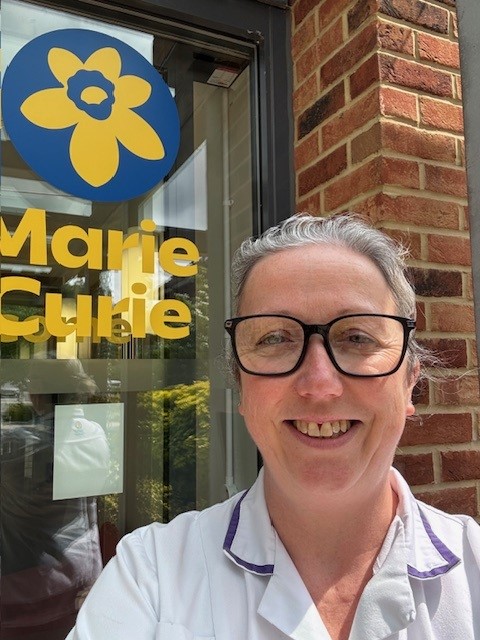
By Michelle Aslett, Specialist Palliative Care Pharmacist, Marie Curie Hospice West Midlands
The UK’s population is aging, and with that comes an increase in complex, lifelong health conditions and co-morbidities. Research from Hospice UK and Marie Curie suggests that up to 90% of the population may have some degree of palliative care needs. By 2048, this could mean more than 730,000 people annually will require input from palliative care services. Pharmacy professionals will encounter patients, families, and carers with palliative care needs across all sectors. Regardless of where we work, we can make a meaningful impact.
What is palliative care?
NICE defines palliative care as “the active holistic care of people with advanced progressive illness.” It is not limited to end-of-life scenarios or cancer diagnoses. The RPS England vision for 2030 aligns closely with palliative care principles, including:
- Person-centred holistic care
This involves applying a “what matters to you” approach, identifying and supporting realistic and pragmatic medicines strategies tailored to individual patients.
Reducing polypharmacy is critical in this patient group. It requires reevaluating medications where long-term health goals or treatment aims have changed.
- High standards of medicines governance
Patients are increasingly cared for in diverse environments such as hostels and prisons, each presenting unique challenges for medicines management.
Responding to individual needs
Supporting patients with palliative care needs goes beyond timely access to medicines. It’s about understanding what matters most to them at the time of engagement. This could include:
- Safety of supplements and herbal medicines alongside their current medication and chemotherapy
- Guidance on travelling with medication, including legal restrictions
- Listening to concerns around addiction to pain relief medications like morphine.
Each situation demands an individualised approach and strong communication skills, as well as understanding if we can’t answer the questions the ability to signpost to reliable sources when needed.
The lasting impact of compassionate care
As Dame Cicely Saunders, founder of the modern hospice movement, said: “How people die remains in the memory of those who live on.” Our actions and responses will be remembered by those we support, even if our role is simply to guide them to the right information.
Community pharmacy teams are highly accessible healthcare professionals and an important part of a patient’s healthcare journey. It is vital we recognise the many ways and opportunities we can support, empower, and advocate for patients and their families, particularly with their medicines management needs.
Improving palliative care
To contribute effectively to this complex field, we must consider how our teams and services work now and in the future. Key areas for development include:
- Education and training
- Workforce planning
- Identifying opportunities for improvement
- Learning from experience
By investing in these areas, we can ensure our profession is equipped to deliver the best possible care now and in the future.
The RPS Daffodil Standards were developed in collaboration with Marie Curie UK to support community pharmacy teams in delivering high-quality palliative and end of life care. Registration is completely free, and signing up gives you access to a welcome pack, webinars, top tips, and a supportive practice community — learn more and register here.
Read more RPS blogs.