By Yuen Toh Lead Partner, Boultham Park Medical Practice, Joint Clinical Director & Lead Senior PCN Clinical Pharmacist, Apex Primary Care Network and Co-Chair, Connected Cultures Network
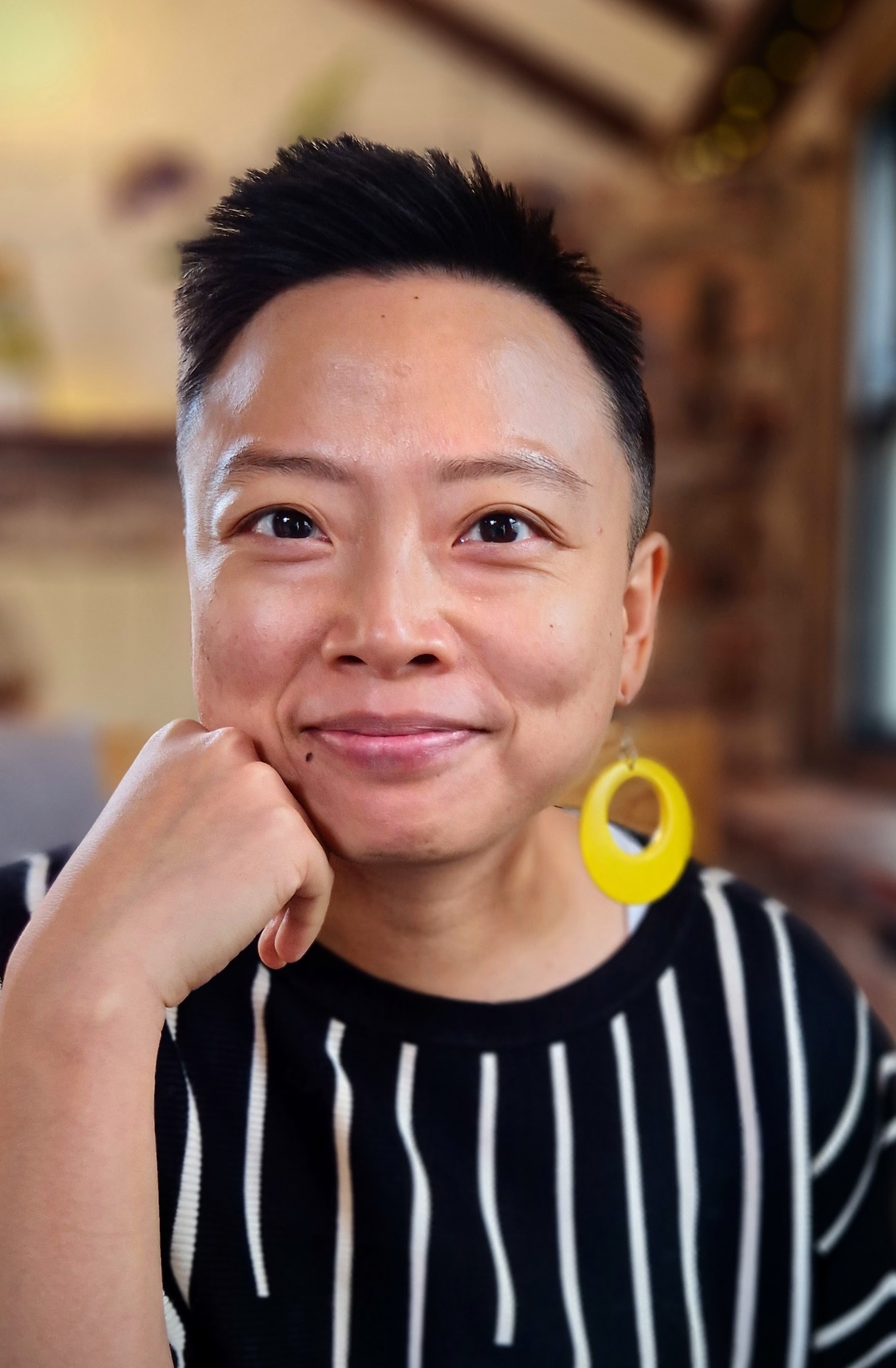
Resilience is often portrayed as a solitary act—gritting your teeth, pushing through adversity, and emerging stronger. But during East and South-East Asian Heritage Month, I was reminded that true resilience is far more nuanced. It’s not just about endurance; it’s about authenticity, community, and the courage to tell your story.
For me, resilience began with a quiet act of service. Growing up Malaysian Chinese, healthcare was both revered and misunderstood in my family. We balanced Western and Chinese medicine, often viewing hospitals with fear, yet pharmacy became a bridge—an opportunity to honour my heritage while navigating a complex healthcare system. It was a way to fill gaps, to serve, and to make sense of the world around me.
From silence to storytelling
My journey took me from Malaysia to Nottingham University to study pharmacy, in a programme that brought together students from Britain and Malaysia. It was an integrated experience, but not without its challenges. Early in my career, I was given a Christian name that was deemed easier to pronounce. At the time, I didn’t feel I could challenge it. That silence stayed with me—until I realised that storytelling could be a form of resistance.
Resilience, I’ve learned, is about shifting from silence to storytelling. It’s about embracing vulnerability as strength and recognising that our lived experiences matter. When we share our stories, we remind others that they’re not alone. That feeling of not quite fitting in? It’s more common than we think. And by speaking up, we create space for others to do the same.
Celebrating identity in practice
At work, we celebrate culture openly - decorating the practice during Chinese New Year, Ramadan, St Patrick’s Day, and more. Later this year, each team member will bring in a dish that holds personal meaning. It’s a small but powerful way to honour our identities. These moments matter. They help us move beyond the idea of resilience as a lone hero’s journey and toward something collective and transformative.
Bias in healthcare isn’t always loud. Sometimes it’s the subtle assumptions about our abilities or cultural identity. I’ve often had to explain who I am before I can share what I know. But now, as a leader, I’m in a position to shape the system—to advocate for change, mentor others, and foster a sense of belonging.
Leading with purpose and advocacy
Resilience is also emotional labour. As the only clinical director from my background, I carry that weight. But I also see it as a responsibility—to listen, to lead with cultural humility, and to create a culture of care that reflects the diversity of our communities.
We need more diverse pharmacists in leadership to reshape the conversation. It’s about mentoring the next generation to create policy and action that lifts others as you climb.
Advocacy doesn’t have to be loud. It just has to be consistent. Every action counts. When we speak up, show up, and support one another, we redefine what resilience looks like—and we build the community we all deserve.
Read more RPS blogs.