By Alwyn Fortune, RPS Wales Policy and Engagement Lead and community pharmacist
 As the warmer months roll in, it's important we understand how to protect our skin. Sunlight boosts our mood by triggering the release of ‘feel good’ hormones and can also enhance concentration and promote better sleep. It’s good for our physical and emotional wellbeing by preserving vitamin D levels crucial for bone health and our immune system. However, amidst the joy of sunny days, it’s important we take care of and protect ourselves and our families from the effects of sunshine whether at home or abroad.
Understanding UV radiation
Whilst sunlight brings joy, excessive exposure can also be dangerous as it emits harmful Ultraviolet A (UVA) and Ultraviolet B (UVB) radiation. These rays impact the skin in different ways; UVB rays burn the top layers of your skin, causing pain and long-term damage, while UVA rays cause the skin to age prematurely and suppress the immune system, leaving you at more risk of skin cancer.
If you are worried about skin cancer, your local pharmacist can advise you about what to watch out for on your skin. Recognising warning signs like changes in size, shape or colour of moles or skin patches, along with new growths or sores that itch, hurt, bleed, crust or scabs is crucial for early detection.
The difference between SPF and star ratings
Using sunscreen is vital to protect your skin's appearance and health, regardless of age or skin tone. Contrary to belief, everyone should incorporate sunscreen into their daily routine as sunscreen can help prevent sunburn, skin cancer and premature ageing.
The SPF (Sun Protection Factor) rating on a product refers to protection from UVB rays, whilst the star rating on a product refers to protection from UVA rays. You should opt for products with a minimum SPF of 30 and a four or five-star rating, or those labelled as “broad-spectrum” which protect you from both UVA and UVB rays.
Applying sunscreen effectively
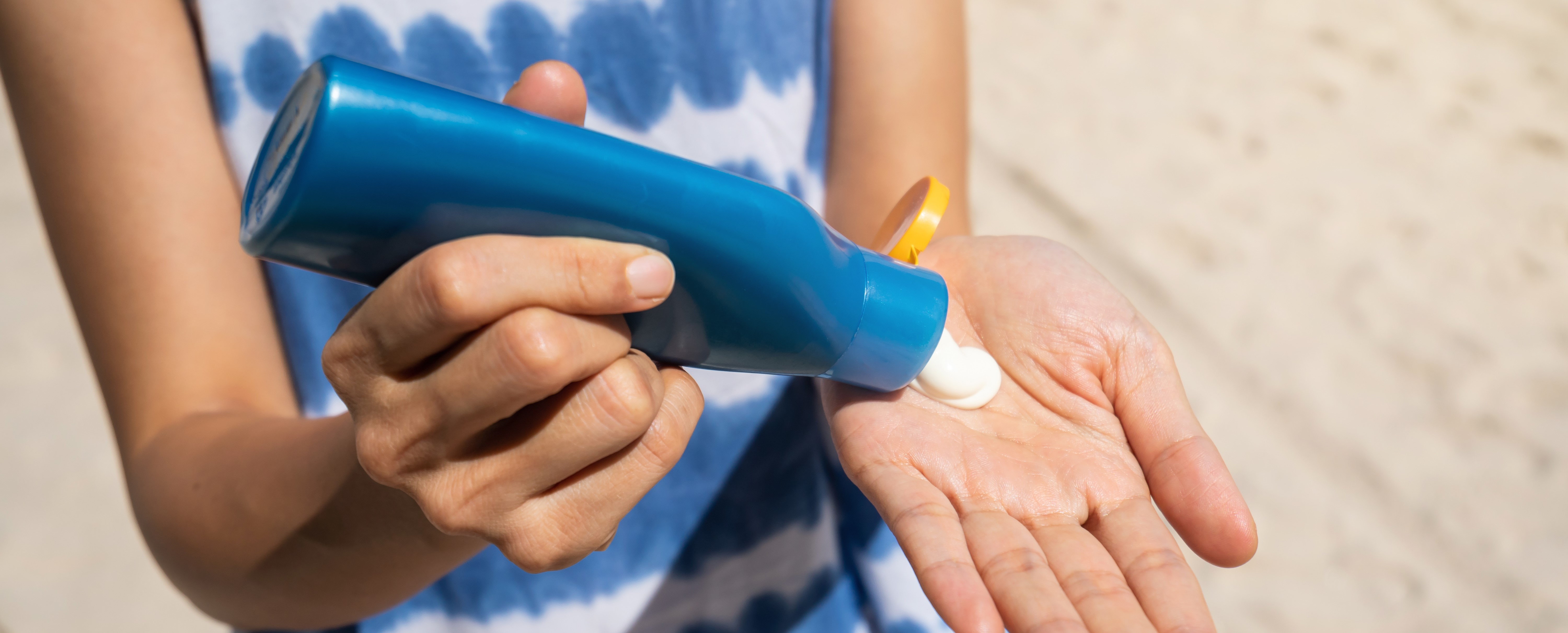
Applying sunscreen properly is essential for it to be effective. Apply the equivalent of two tablespoons of sunscreen to exposed areas of the skin, making sure to include your face, neck, hands and ears. Generally, you should reapply sunscreen every two hours or more often if you’re swimming or sweating. Don’t underestimate the importance of sunscreen on cloudy days, as UV rays can penetrate the clouds and still damage your skin.
Special considerations when choosing a sunscreen
Children and those with sensitive skin should take extra care with sun protection as their skin can be more sensitive to long-term damage from repeated sun exposure.
It is advised to cover up with suitable clothing, seek shade and use sunscreen with a minimum SPF of 30. If you have any specific concerns about choosing sunscreen for your child or for a specific skin type, your pharmacist will be happy to help.
Protection beyond sunscreen
Sunscreen isn’t the only way to protect yourself from the sun. You can also take practical steps like wearing a hat, UV sunglasses, and if you can, seeking shelter during peak sun hours (11am and 3pm).
Clothing also serves as an effective barrier, so give your skin a break by covering up when you can. Additionally, always stay hydrated by drinking plenty of water throughout the day.
Whether enjoying the sun at home or abroad this summer, enjoy your time outside whilst ensuring you and your family stay protected in the sunshine.
For information on how your medication can interact with the sun.
Read more RPS blogs.