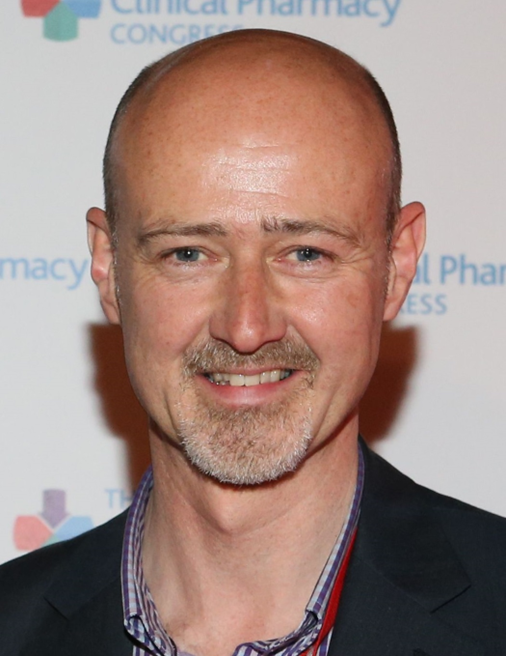
By Aaron Senior, Learning Disability Lived Experience Advisor and Dave Gerrard, Health Improvement Pharmacy Lead, NHS England

Listening and learning from people’s experiences
At NHS England, people with lived experience of learning disability and autism work in co-production with healthcare professionals, including pharmacists. Learning from people’s personal experiences adds unique quality to our work.
We are passionate about STOMP (Stopping the over medication of people with a learning disability and autism of all ages) and STAMP (Start appropriate medication in Paediatrics). We all need to work together so that people are only prescribed the right medication, for the right length of time and for the right reasons.
We were both proud to present at the Royal Pharmaceutical Society Action in Belonging, Culture and Diversity (ABCD) group. The group meets every two months with the aim of improving inclusivity across pharmacy services. Members talked about the benefits and impact of having a person with a learning disability present at the group.
What opportunities are there in your role to listen to and respond to the views and experiences of people with lived experience?
Aaron’s personal experience of medication
I became mentally unwell and was diagnosed with anxiety and depression. The doctor gave me 50mg Sertraline and 30mg Propranolol, said I may experience side effects and would review my medication in a year’s time.
I had never taken any psychotropic medication before. I put on a lot of weight, had nightmares and became so unwell I was off work for four months.
I made another doctor's appointment and explained how unwell I was feeling. The doctor took me off Sertraline and prescribed me 30mg Citalopram. I started feeling like myself again.
There are things that the doctor should have done differently, but there are also things the pharmacy team could have done to help me understand and have the best experience of medication, including:
- Using plain English when talking, giving me written information and checking I have understood it
- Asking me about other medication I am taking now or have taken in the past
- Offering information about the medication prescribed and how to take it
- Explaining any possible side effects, and what I should do if I experience any
- Asking if I have difficulties swallowing
- Explaining the best way to take the medication, for example, drink with water not fizzy drinks
Resources to improve inclusivity of pharmacy services
Aaron’s experience is not unique. At NHS England, we often hear from people with a learning disability, autistic people, and their families about the challenges they face when accessing health services.
It is clear from Aaron’s experience that there is more that all pharmacy teams can do to improve care for people with a learning disability. Teams in community pharmacy, within primary care networks and in hospitals have their part to play. This includes:
- Understanding, recording and implementing reasonable adjustments to make access to pharmaceutical care more comfortable
- Being STOMP and STAMP aware to educate people about psychotropic medications. Learn more about STOMP awareness and access STOMP training
- Thinking about your communication style to ensure care is accessible and adjusted to the person. Find out more from the CPPE learning Disability Hub
- Being learning disability aware: CPPE
- Completing the Oliver McGowan Mandatory Training in learning disability and autism awareness
Read more RPS blogs.