by Michael Achiampong, MRPharmS locum pharmacist for a pharmacy homecare company
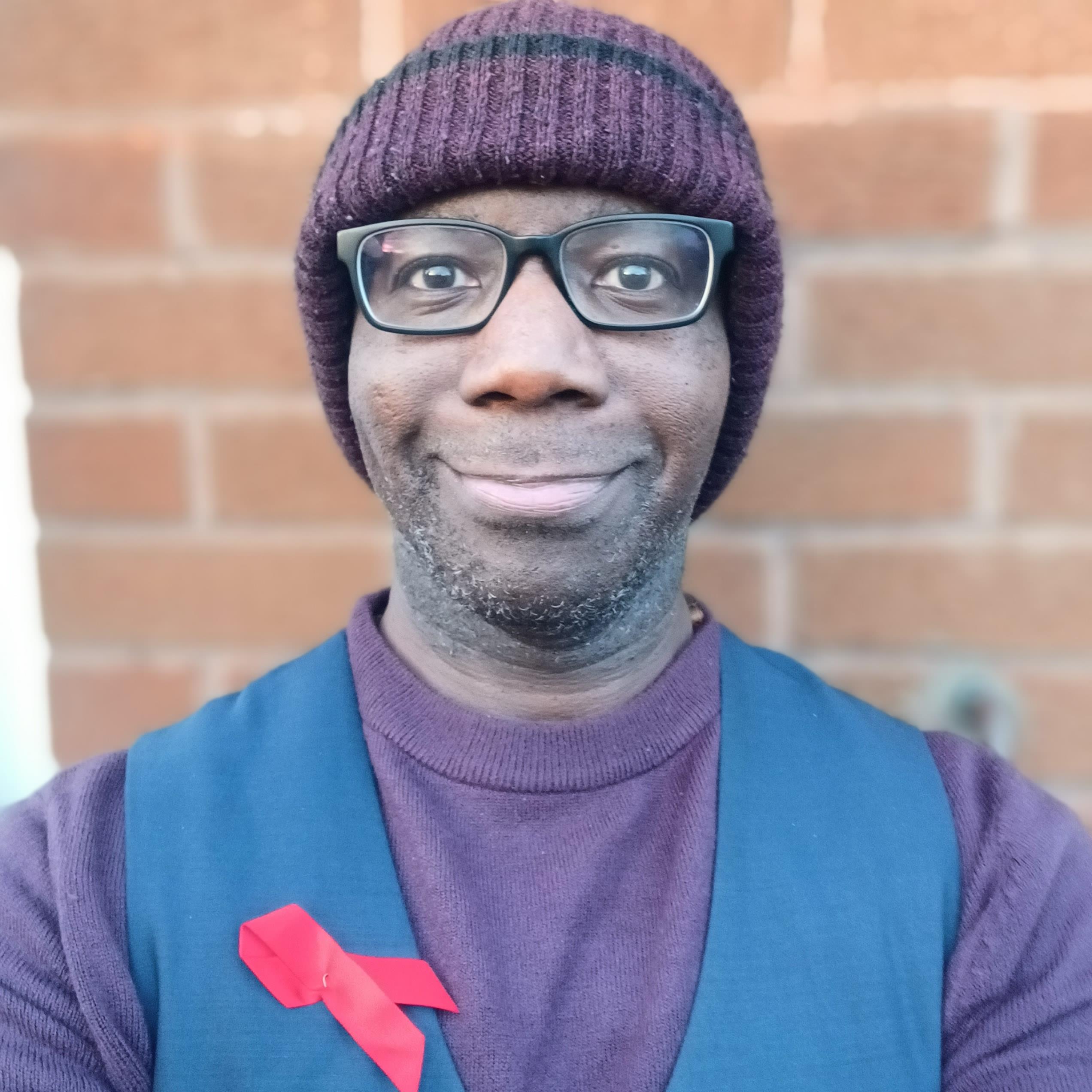 "Boys don’t cry” and “Man Up, man!” - phrases we’ve all heard, yet they contribute to a culture where men often neglect their health. But things are changing. The warm, sympathetic public response to Sir Chris Hoy’s shock terminal prostate cancer prognosis along with discussions around King Charles’s ill health have propelled men and boys’ health higher up the agenda.
It was good to hear the Secretary of State for Health and Social Care, Wes Streeting MP, recently acknowledge the need to revisit the pros and cons of a targeted screening programme for prostate-specific antigen in men at higher risk of developing prostate cancer. This marks a critical turning point for men’s health awareness.
The sobering stats
According to Prostate Cancer UK 33 men per day are diagnosed with prostate cancer and it accounts for 1 in 45 male deaths in the UK – a staggering 44% of all deaths in the UK. The fact that educational attainment in men and boys has been lagging behind women and girls could also indicate poorer health literacy regarding common minor ailments and serious illnesses. I firmly believe that men and boys should have access to better information about taking care of their health.
Men’s health affects everyone
Men’s health impacts society as a whole. This isn’t just about saving lives but lightening the burden that is so often carried by their families, especially women and girls. According to the Men and Boys Coalition, men and boys’ health and wellbeing impacts everyone. At home, school/work, communities and society. A healthy man can inspire a boy/young adult to become an even better version of themselves, fostering a culture of respect and mutual understanding in an era shaped by movements such as the #MeToo movement and post-pandemic, geopolitical instability and socioeconomic uncertainties.
Where are conversations happening?
Efforts to address men’s health aren’t confided to clinical settings. Informal conversations take place in cafes and barber shops; sports changing rooms, men’s sheds and via the London-based #ManVan initiative. Pharmacies have a vital role to play too. With the right resources, effective signposting and an empathetic approach, pharmacy teams can spark brief, opportunistic conversations about health.
Resources to guide action
- The Movember movement was established in 2003 by two Aussie friends and takes a fun but meaningful approach to raising awareness of prostate cancer; testicular cancer; mental health and self-harm/suicide prevention.
- Prostate Cancer UK have brought Mo Bro’s and Mo Sistas to wider public awareness, and more than 5 million supporters throughout the world have funded about 1200 men’s health projects in about 20 countries.
- Men‘s Health Forum: a hub of information for improving men’s health
- Men’s health awareness week [mid-June annually] The perfect time to start conversations
- International men’s day – 19 November gives another opportunity to focus on the mental and physical health of men and boys
Getting involved
Make a plan to start having health-related conversations with men and boys in your pharmacy settings with all your pharmacy team. Please include the much-forgotten pharmacy delivery drivers as some elderly and/or widowed men living alone might be the only person they see from time to time. Keep expectations realistic with brief opportunistic chats.
Offer men MOTs – promote blood pressure checks as part of the hypertension case-finding service; weight-management initiatives and diabetes; encourage regular eye and dental health checks-ups and uptake of vaccinations.
Together, we can shift the narrative around men’s health. Whether that’s through a simple conversation or encouragement to attend a screening appointment, small steps lead to big changes. We must remind men everywhere that their health matters.
Read more RPS blogs.