by Professor Rikki Goddard Fuller
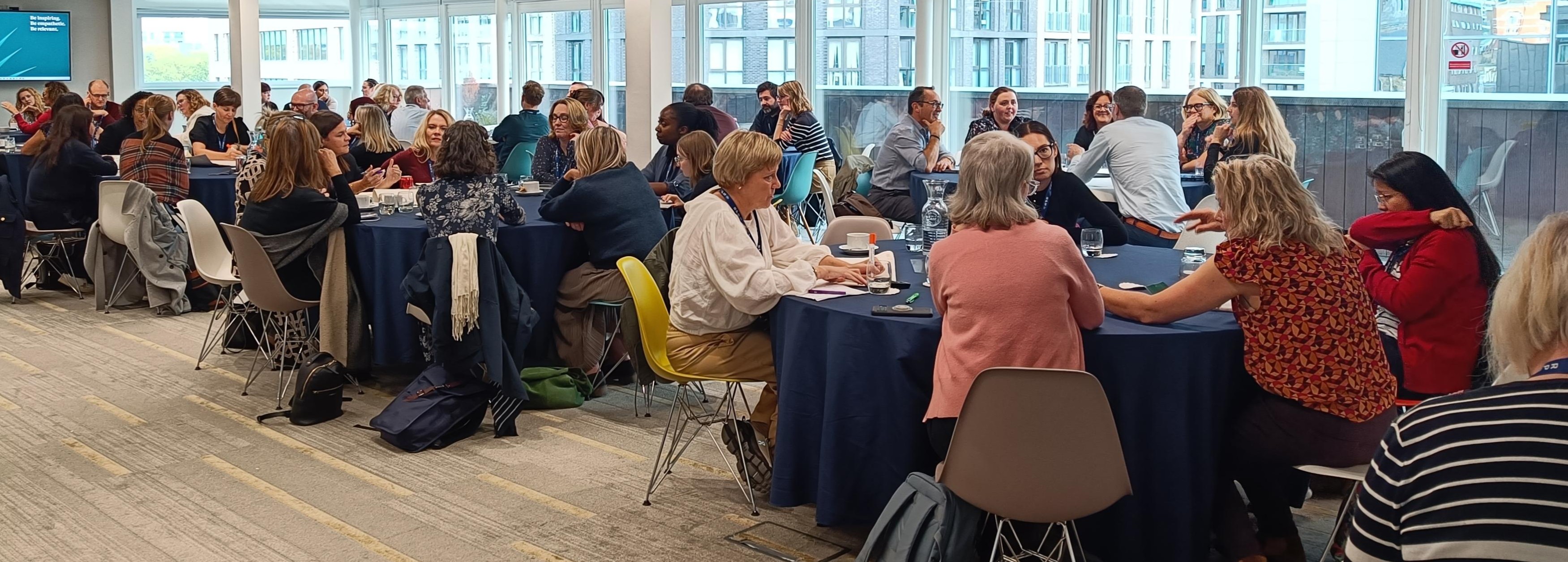
In my role as chair of the curriculum steering group for the new enhanced credentialing pathway for newly qualified pharmacist prescribers, I was privileged to facilitate the recent workforce summit at RPS. The event brought together pharmacists, educators, service leads and commissioners from a range of settings and different parts of the UK.
We heard some transformative stories of how credentialing is being systematized within the training and support structures for newly qualified pharmacists in Wales, Scotland and the East of England. We explored what this impact is having for the careers and practice of pharmacists who are credentialling. Most importantly, we heard about the impact that newly qualified prescribing pharmacists (NQPPs) will have for the healthcare of people and communities, improving access to front line, expert care.
However, the clock is ticking. The first cohort of NQPPs enters the workforce in summer 2026, so the ‘time is now’ to ensure the right support is in place to allow them to thrive in their new roles and additional responsibilities. We spent much of the day considering strategies for embedding the new enhanced credentialing pathway to support NQPPs in their early practice.
It is incredibly important that this is introduced widely and wisely. The introduction of prescribing for every newly qualified pharmacist is a truly seismic change in the healthcare landscape, presenting huge opportunity for patients, the public and profession, as we heard from our patient voice representative. However, we also heard that it’s vital that we have support structures in place to help assure safety and quality, support new pharmacists with their ongoing professional development and build wider trust in this new system.
Turning insight into action
Our discussions were structured around resourcing, support structures, and impact and relevance. What did we learn?
The wider landscape of resourcing was acknowledged by all to be incredibly difficult. However, the summit was clear that a collaborative, system-wide effort is needed to communicate the value and difference that the new credentialing model makes – for learners, employers and, most importantly, patients and the public.
The stories we heard about the impact for pharmacists and patients were inspiring, but risk remaining isolated. We need to be ambitious in recognising and sharing more widely the impact that NQPPs and a credentialing approach to assure practice will have on pharmacy’s future.
At the same time, we need to dispel the myth of how difficult it is to embed credentialing. We know that when credentialing is operating within systems in Wales, Scotland and the East of England, it’s possible to integrate credentialing into pre-existing systems. We already know that credentialing is well established across a range of other health professions across different career paths and levels of seniority.
Building a culture of support and supervision
There was unanimous recognition that there needs to be a gear shift in expectations of supportive supervision across the profession. To create the learning environment in which credentialing thrives, there must be an expectation that part of every pharmacist’s role is to share their expertise and experience, alongside other health professionals, by supporting others to learn and develop their practice.
Success here does not lie solely in the hands of pharmacists themselves. The summit recognised that employers must allow individuals to have the time to build their portfolio and develop their practice and competence, aligned with the new enhanced curriculum.
We heard great suggestions for regulatory and statutory action – for instance by aligning credentialing to support the revalidation process. Such levers can have a big impact on the success of this new horizon for pharmacists and pharmacy practice.
Sharing pharmacy’s story
Another key take-away from the day was the need to be better at sharing our narrative about pharmacy outside of the profession and to the public, celebrating the success, achievements and changing role of the profession in being a critical part of high quality healthcare, particularly in community settings.
Before we talk about enhanced, advanced or consultant-level credentials, we need to bring up the baseline understanding of other professionals and the public about the value of pharmacy and pharmacists.
Small individual actions, collective impact
All these calls to action, however, cannot amount to a to-do list for a single organisation or the RPS alone. There are limits to what any individual or organisation can do. While the RPS can seek to drive change through its professional leadership role, convene people from across pharmacy at summits and deliver a unified voice for the profession, it cannot implement changes on the ground. The implementation of this change has to come from within, driven by individuals and organisations within the system.
As the event closed, RPS Associate Director for Assessment and Credentialing, Joseph Oakley, shared some parting words with delegates. He argued that the power to make credentialing integral to the profession lies with all of us together. Any individual act – linking credentialing to recruitment or progression, implementing changes to job plans or work schedules to free up more time for learners, supervisors and assessors – may feel like a small step on a long journey. But from the stories we heard from places where credentialing is being systematically adopted, we know the impacts can be significant, and they compound as successive cohorts progress through the system.
Small incremental changes will soon add up. In pursuit of the collective ambition shared at the summit, everyone – service managers, leaders, commissioners and regulators – should contribute with small actions within their sphere of influence. This will help build momentum towards the cultural change that will support the widespread adoption of enhanced credentialing for our newly qualified pharmacist prescribers – and the benefits to professionals, patients and communities this must surely bring.
Find out more about RPS Credentialing.
Read more RPS blogs.