 By Whitney Uwadiae and Diane Ashiru-Oredope on behalf of ACPN Leaders, members and alumni (2018 to 2024)
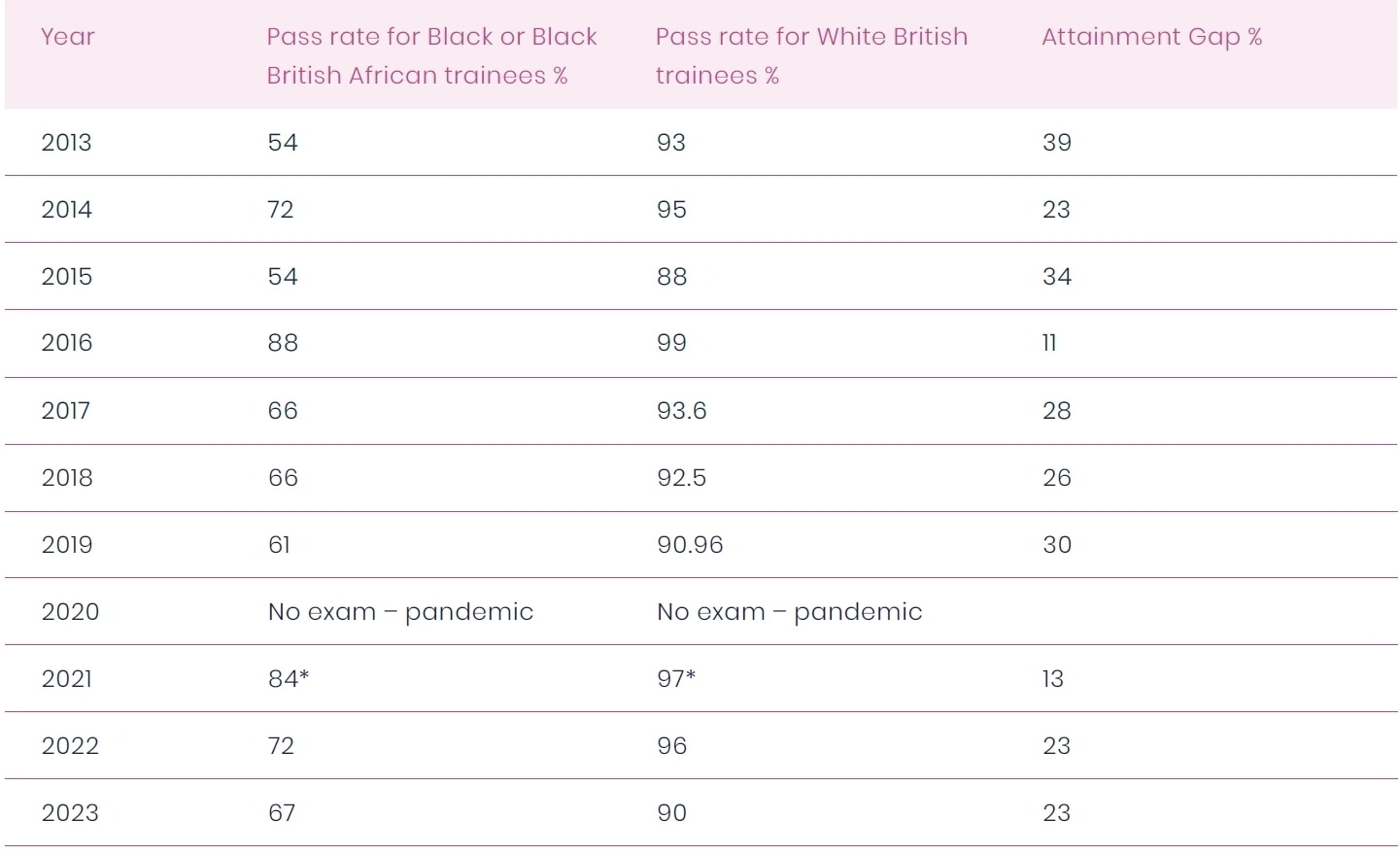
The differential attainment gap published over the years between black and white trainees taking the registration assessment exam set by the General Pharmaceutical Council (GPhC) is significant.
Diane Ashiru-Oredope founded the African & Caribbean Preregistration Pharmacy Network (ACPN) in 2018, after learning that regularly, over 30% of Black African preregistration pharmacists failed the July GPhC qualifying exam, affecting approximately 70 families annually. The data is laid bare in this recent RPS report.
Professional and mental health consequences of resits
Resitting the exam prevents trainees from joining the pharmacist register and has a huge impact on their life.
Many trainees are faced with losing job offers, feeling left behind, a loss of motivation, doubts about their capabilities and increased pressure and nerves during future exam attempts.
When such factors are combined, they inevitably have a detrimental effect on the mental health of many trainees, their finances, social and personal lives.
Members of ACPN who had to resit the exam say they felt judgement and a lack of consideration from peers, employers and pharmacy colleagues, reinforcing the negative emotions they already held towards themselves. Depending on how many times a trainee resits the exam, these effects can last for several months, or sometimes years.
The importance of networks
One member who passed the exam on their third attempt told us: “It really knocks your confidence and can make you doubt your abilities and knowledge. With the help of amazing support around me and my faith I was able to gradually build back that belief in myself and confidence.” This alumni member is thankfully now on the register and thriving at the start of their career as a pharmacist. We recognise that not every Black trainee pharmacist has an inbuilt support system that they can lean on for support and guidance during such turbulent and challenging times. Some will never make it onto the register because of the disadvantages they face.
Financial effects
Members reported facing financial difficulties following the end of the training year, due to not being able to transition into a pharmacist role straight away. Many had no option but to pick up pharmacy dispenser shifts in between studying for their resit, increasing stress levels further.
ACPN’s role
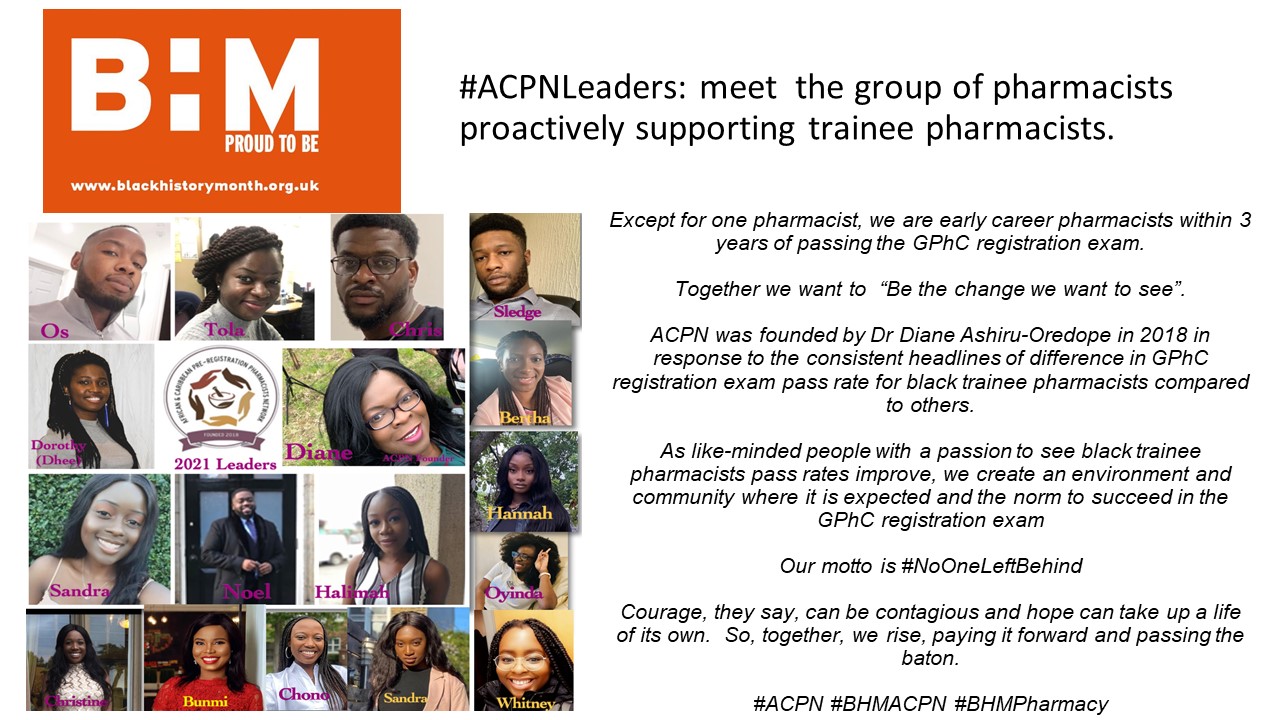
Our aim as ACPN is to be that support system for those that need it and ensure that no one is left behind. We believe nobody should have to abandon their dream of becoming a pharmacist after five long years hard work and training.
It is clear that having to resit the registration exam has had a profound effect on many more black trainee pharmacists than other groups each year. The majority of us will know or have crossed paths with someone that failed at least one attempt at the GPhC exam. Did you support them? Were your interactions positive or negative? Now is the time to reflect and going forward, the question is, how can we as a profession make a change?
We hope that pharmacy education supervisors and providers alongside professional and regulatory bodies will develop, implement and evaluate appropriate interventions to tackle differential attainment for all marginalised groups.
If you’d like to get in touch with the ACPN, contact: [email protected]
Read the report: Chasing equality in pharmacy training: Closing the awarding and attainment gap for Black trainees in pharmacy.
Read our previous blogs on differential attainment.