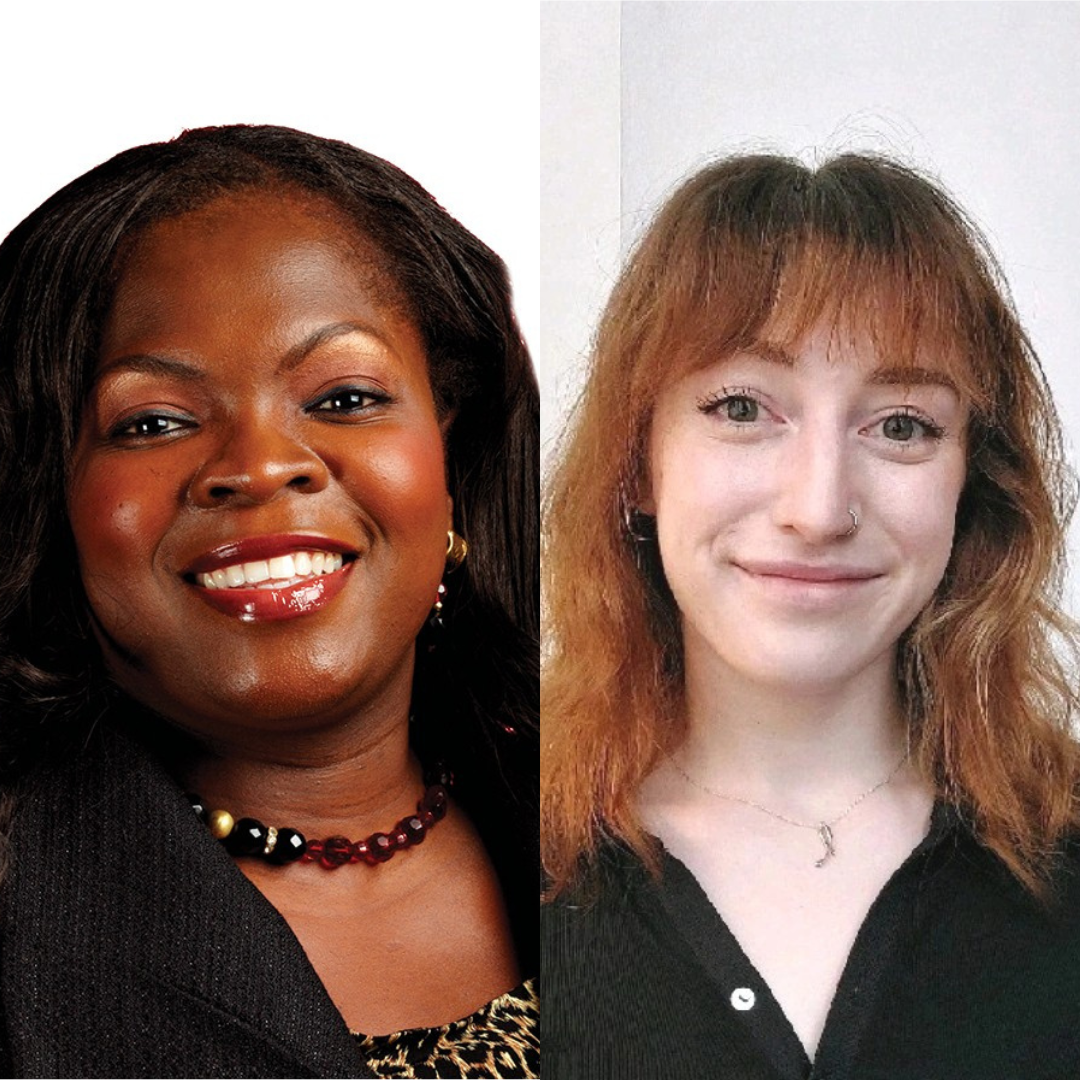
By RPS Deputy Chief Scientist Diane Ashiru-Oredope and Research Manager Lauren Ross
 How are scientific principles and methods used in daily practice by pharmacists? Do we see ourselves primarily as scientists, clinicians, pharmacists, or all three?
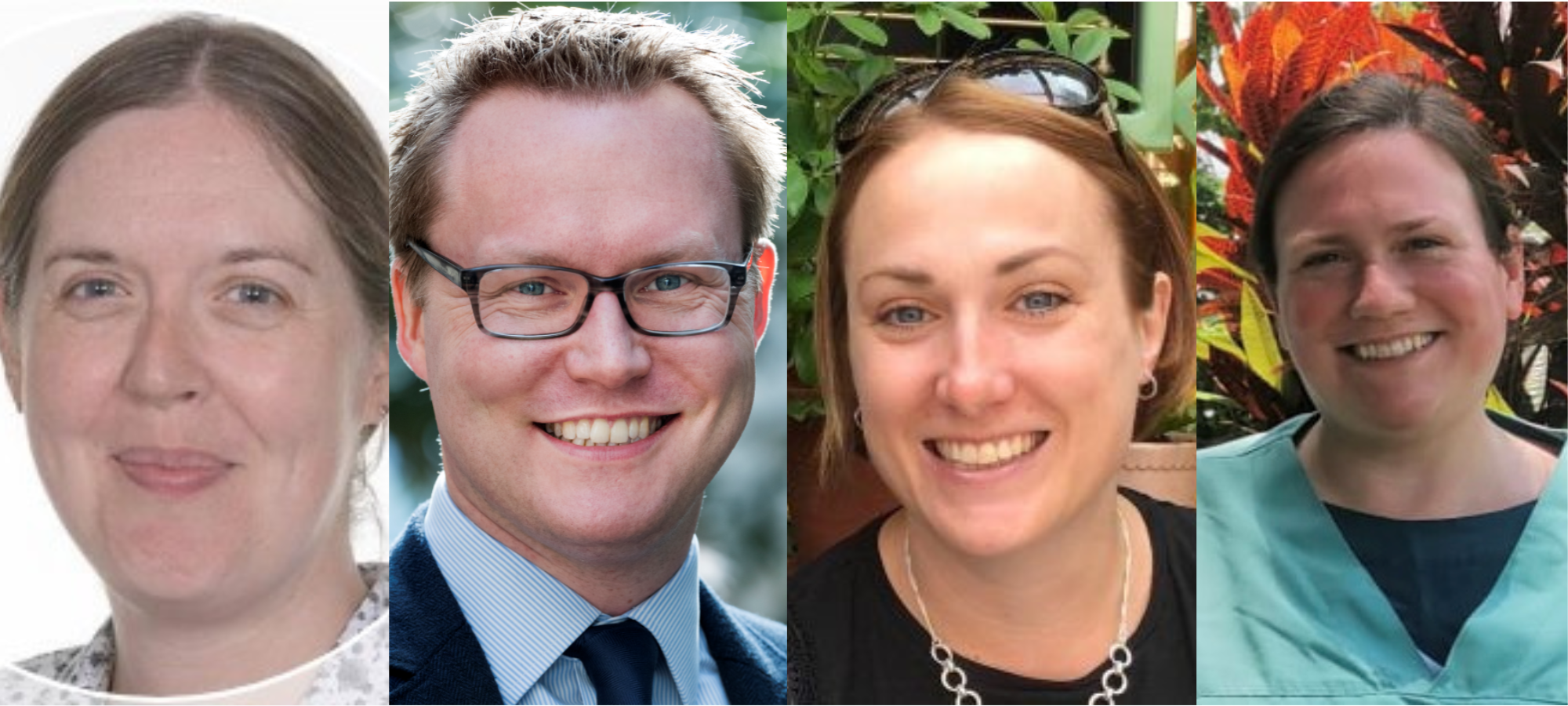
We caught up with Dr Louise Dunsmure, Professor Mark Gilchrist, Frances Garraghan and Ceri Phillips of the RPS Antimicrobial Expert Advisory Group (AmEAG) to ask them how they use science in their day-to-day roles. Read on to hear more from the experts.
Can you tell us how you have utilised each of these sciences in your day-to-day role within the past month?
AmEAG members shared some practical examples of how they use the following sciences:
- Social and behavioural sciences: Optimisation of antibiotic use and penicillin de-labelling
- Physiology & Pharmacology (incl. pharmacokinetics, pharmacodynamics, pharmacognosy, pharmacotherapeutics, and toxicology): Dose calculations for paediatric patients and patients with obesity, considering drug interactions, and therapeutic optimisation.
- Chemistry: Considering medication stability
- Pharmacogenomics: Identifying the predisposition of individuals with specific genetic mutations to aminoglycoside ototoxicity
- Population health/Public health sciences: Reviewing local Gram-negative bacteraemia trends, accessing antimicrobial use and resistance data on the AMR local indicators by UKHSA on the national Public health profiles website, local public health actions to prevent and mitigate against outbreaks such as measles, diphtheria.
To view the full quotes from the AmEAG members, click here.
What are the essential scientific skills someone would require for a role such as yours?
The group emphasised the importance of being collaborative, aspirational, and considering clinical problems holistically. Although these traits are not specific to scientific fields, these skills support AmEAG members to utilise their scientific expertise and apply their knowledge in their day-to-day practice.
Pharmacy is often referred to as both a clinical and science discipline. Do view yourself (and or other pharmacists) as a scientist?
Given the complex nature of the pharmacy profession, the group provided mixed views when answering this question. All acknowledged the importance of understanding scientific principles in their role and most considered themselves clinicians and scientists.
But let’s hear from them directly:
“My honest answer is I don’t know. In my clinical life, I’m seen as a valued member of the clinical team – making decisions that count. In my research life, I’m viewed as an expert being in my clinical knowledge. At home, I’m a dad and a husband. Am I a scientist – yes, am I seen as one – don’t think so.”
“Our role is so varied, and many of us can adapt our role to our interests and the way we like to practice. I am a very practical person who enjoys clinical conundrums and supporting patients and clinicians to optimise the use of antimicrobials and improve outcomes.
However, in my practice, I am applying scientific principles in different ways through my holistic approach to patient care. I don’t see myself as a "scientist", I see myself as a clinician who utilises the principles of science.”
“I do. We live in a world of guidelines and algorithms, which provide the black and white, standardised answers. However, we also live in a world that is shades of grey, with patients that are all individuals. You need the underpinning scientific knowledge to navigate the shades of grey and be able to apply broader concepts to the situation in front of you.
Scientific knowledge is also key when you reach a level of seniority, which means you're the one writing those black and white guidelines. When I'm teaching undergraduate and early-year practitioners, I often relate concepts back to basic scientific principles to demonstrate why it's important to remember them, not just learn and forget them.”
Would you like to add to the debate? What are your views about how science is used within the pharmacy profession or do you have additional examples of how you use science within your day-to-day practice as a pharmacist, please share them with us here. You can also contact us via [email protected]
Many thanks to members of the RPS Antimicrobial Expert Advisory Group, who shared insights and opinions on their roles and gave up their time to help us craft this blog post:
- Dr Louise Dunsmure, Consultant Pharmacist for AMS at Oxford University Hospitals NHS Foundation Trust
- Professor Mark Gilchrist, Consultant Pharmacist Infectious Disease & Head of the AMS Programme, Imperial College Healthcare NHS Trust
- Frances Garraghan, Consultant Pharmacist AMS, Manchester University NHS Foundation Trust
- Ceri Phillips, Consultant Antimicrobial Pharmacist, Aneurin Bevan University Health Board
Find out more about the work of the RPS Antimicrobial Expert Advisory Group.
The RPS Science and Research Team provide continued support services to members across all career stages, including assistance with interviews as well as application guidance. If you're interested, please complete the enquiry form.